
Financial Education
for the Digital Age
Finance Freedom Guide provides the comprehensive financial education missing from traditional systems. Through meticulously crafted books and actionable insights, we equip you with the mindset, strategies, and systems to build sustainable wealth in today's evolving economy.
AI-Driven Portfolio Optimization Strategies
Why AI Is Changing Portfolio Optimization Forever
For decades, investing was mostly built around human analysis.
People studied:
charts
earnings reports
economic trends
market cycles
company fundamentals
And while those things still matter, the investing world is changing rapidly.
Artificial intelligence is now transforming how financial data is analyzed, organized, and interpreted.
At first, I thought AI investing tools were mostly hype.
Another trend.
Another wave of automation promising unrealistic results.
But the deeper I looked, the more I realized something important:
AI is not replacing intelligent investors.
It is changing how intelligent investors process information.
Because modern financial markets generate enormous amounts of data every second.
And humans alone struggle to analyze everything efficiently.
That is where AI becomes powerful.
Not because it predicts the future perfectly.
But because it can process complexity at a scale humans cannot match manually.
What Is Portfolio Optimization?
Portfolio optimization is the process of designing investments to balance:
risk
return potential
diversification
long-term goals
market uncertainty
The idea is simple:
build a portfolio structure that improves the probability of sustainable long-term growth.
Traditional portfolio strategies often focus on:
diversification
asset allocation
risk tolerance
time horizon
rebalancing
AI is now helping improve these processes through faster analysis and adaptive modeling.

Why Traditional Investing Has Limitations
Human investors face several natural limitations.
People struggle with:
emotional decisions
information overload
bias
inconsistent analysis
reacting under stress
Markets also move faster than ever.
Thousands of variables influence prices simultaneously:
interest rates
global events
economic data
company performance
investor psychology
technological shifts
No human can process all this information perfectly in real time.
AI helps reduce this limitation by analyzing large datasets rapidly.
AI Is Built for Pattern Recognition
One major strength of AI is pattern analysis.
Machine learning systems can process:
historical price data
correlations
volatility trends
macroeconomic indicators
portfolio behavior
statistical relationships
far faster than traditional manual analysis.
This does not mean AI predicts markets perfectly.
Financial markets remain uncertain and highly complex.
But AI can identify patterns and probabilities more efficiently than manual systems alone.
Modern Investing Is Increasingly Data-Driven
Financial institutions increasingly rely on:
quantitative models
algorithmic systems
AI-assisted analysis
predictive modeling
automated risk management
This shift happened because modern financial markets generate enormous data flows continuously.
AI helps organize and interpret that complexity.
Large investment firms now use AI systems for:
portfolio analysis
market research
risk assessment
fraud detection
trading optimization
economic forecasting
Technology became deeply integrated into modern finance.
AI Improves Risk Analysis
One of the most important parts of investing is managing risk.
Many investors focus only on returns.
But intelligent portfolio design also focuses on:
downside protection
diversification
volatility management
resilience during uncertainty
AI systems help analyze relationships between assets more dynamically.
For example:
correlations during market stress
changing volatility patterns
sector concentration risks
macroeconomic sensitivity
This creates more adaptive risk analysis than static traditional models alone.
AI Helps Reduce Emotional Investing
One major investing problem is emotional behavior.
People often:
panic sell during downturns
chase hype during bubbles
overreact to headlines
abandon long-term plans emotionally
Behavioral finance research consistently shows emotional reactions strongly affect investor performance.
AI systems can reduce some emotional interference because algorithms follow predefined logic rather than fear or excitement.
This creates more consistency.
However, humans still control the broader strategy and risk tolerance.

Why AI Does Not Guarantee Profits
One dangerous misconception is believing AI creates guaranteed returns.
It does not.
Markets remain unpredictable.
AI systems can:
improve analysis
increase efficiency
identify patterns
optimize structures
But they cannot eliminate:
uncertainty
black swan events
market crashes
geopolitical risk
human irrationality
Any system promising guaranteed profits should immediately raise skepticism.
Responsible investing always includes risk awareness.
AI Works Best With Human Judgment
The strongest investment approaches increasingly combine:
AI analysis
human judgment
strategic thinking
long-term planning
risk management
AI is extremely powerful for:
processing information
organizing data
modeling scenarios
Humans still matter for:
ethics
judgment
goals
adaptability
interpreting broader context
The future of investing may belong less to pure automation and more to intelligent collaboration between humans and technology.
Personalized Investing Is Growing
AI is also making portfolio management more personalized.
Traditional investing models often applied generic strategies broadly.
AI allows systems to adapt based on:
age
goals
income
risk tolerance
time horizon
behavioral patterns
This creates more customized portfolio structures.
Over time, financial systems may become increasingly adaptive and individualized.
Why Long-Term Investing Still Wins
Despite technological changes, long-term investing principles remain surprisingly consistent.
AI may improve:
analysis
optimization
efficiency
But long-term wealth creation still depends heavily on:
patience
discipline
consistency
diversification
compounding
Technology changes tools.
It does not eliminate the importance of long-term behavior.
Compounding Remains the Core of Investing
At the center of portfolio growth is still compounding.
AI may help optimize portfolios.
But compounding still depends heavily on:
time
consistency
reinvestment
disciplined investing behavior
This is why long-term investors often outperform short-term emotional traders.

The Hidden Risk of Over-Automation
Technology creates advantages.
But overdependence on automation also creates risks.
Blindly trusting systems without understanding them can become dangerous.
Investors still need:
critical thinking
financial education
risk awareness
strategic understanding
AI should support decision-making.
Not completely replace human responsibility.
Why Financial Literacy Matters More Than Ever
As financial technology grows more advanced, financial literacy becomes increasingly important.
People need to understand:
risk
diversification
volatility
long-term investing
portfolio structure
emotional behavior
Technology amplifies outcomes.
But without understanding, advanced tools can still lead to poor decisions.
Financial intelligence remains essential.

The Future of Investing Is Hybrid
The future of portfolio management will likely combine:
AI systems
automation
human strategy
behavioral awareness
long-term investing principles
The strongest investors may increasingly become people who understand both:
financial fundamentals
intelligent technology systems
Because modern wealth creation increasingly rewards adaptability.
Final Thoughts
AI is changing portfolio optimization rapidly.
Not by eliminating uncertainty.
But by improving:
analysis
efficiency
data processing
risk modeling
personalization
At the same time, the foundations of intelligent investing remain surprisingly stable:
diversification
discipline
long-term thinking
compounding
emotional control
Technology changes the tools investors use.
But sustainable wealth still depends on intelligent behavior over long periods of time.

The system is broken. Traditional academia prepares you for employment, not financial independence. It teaches compliance rather than capital allocation, memorization over monetization. The real world financial education the kind that builds generational wealth happens in the margins: through mentorship, failure, self study, and learning by doing.
We’re here to close that gap. Finance Freedom Guide transforms decades of entrepreneurial and investment experience into structured roadmaps.
Whether you’re buried in debt or ready to scale digital assets, we believe financial intelligence is a learned skill not a genetic gift.
Our Mission;
Turn knowledge, creativity, and expertise into perpetual wealth systems. No fluff, no get rich quick fantasies just proven frameworks and the mindset shift required to break free from the 9‑5.
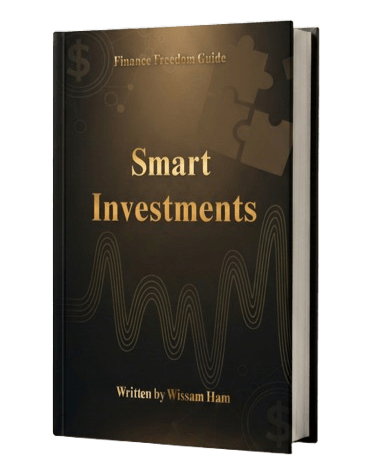
Bestseller
Navigate markets with strategic precision, balancing risk and opportunity across emerging asset classes.
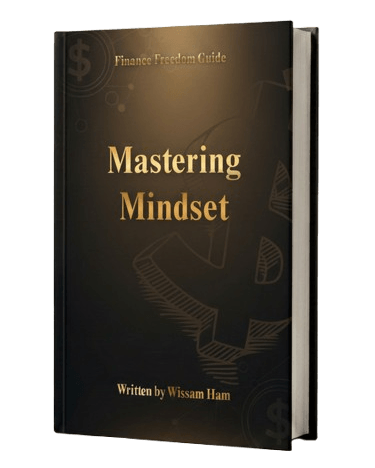
Top Rated
Cultivate the psychological architecture required for extraordinary wealth accumulation.
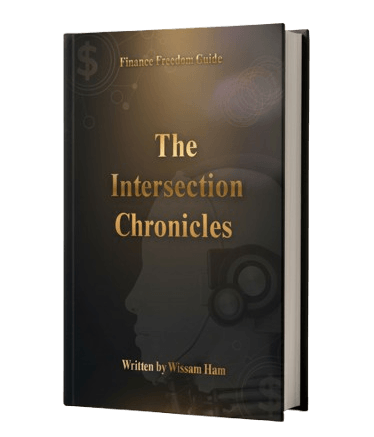
Reader's Choice
Where mindset, strategy, and technology converge to create exponential wealth in the digital age. Latest release.
Reader's Choice
Where mindset, strategy, and technology converge to create exponential wealth in the digital age. Latest release.
Top Rated
Cultivate the psychological architecture required for extraordinary wealth accumulation.
Bestseller
Navigate markets with strategic precision, balancing risk and opportunity across emerging asset classes.
AliExpress Deals for Freelancers
We hand pick products based on real freelancer needs.
Low Cost High Productive Setup Picked Carefully To Start Practicing our eBooks Content & Build Your Online Income Streams.













Need more than a eBook?
We don’t just give generic tips. We diagnose your unique financial situation, build a custom action plan, and walk with you step by step via daily email. No calls, no fluff.

Wissam Ham isn't just another financial expert he's a living testament to the power of mindset transformation. After climbing from financial uncertainty to creating multiple streams of passive income, he's dedicated his life to teaching others the exact principles that liberated him.
What makes Wissam different? He understands that true wealth begins between your ears. While others teach complicated investment strategies, Wissam focuses on the psychological foundation that makes those strategies actually work for you.

`The Art of Wealth Creation
Transforming financial mindsets through premium education, exclusive insights, and proven wealth building strategies.
Contact



© 2026 Finance Freedom Guide. All rights reserved.
Created by Wissam Ham | Financial Education for the Digital Age