
Financial Education
for the Digital Age
Finance Freedom Guide provides the comprehensive financial education missing from traditional systems. Through meticulously crafted books and actionable insights, we equip you with the mindset, strategies, and systems to build sustainable wealth in today's evolving economy.
Architecting Intelligent Systems for Wealth Creation
The People Who Build Wealth at Scale Think in Systems, Not Tasks
Most people try to improve their financial life by working harder.
More hours.
More effort.
More hustle.
And sometimes that works temporarily.
But eventually, many people hit the same wall:
exhaustion
inconsistency
limited time
mental overload
unstable income
That is because effort alone does not scale well.
At some point, I realized something important:
The people building long-term wealth were often not managing everything manually.
They were designing systems.
And the more I studied successful businesses, creators, investors, and digital entrepreneurs, the more obvious this became:
wealth grows faster when systems do the heavy lifting.
Not because systems remove work completely.
But because intelligent systems multiply output, reduce friction, and create leverage over time.
What Is an Intelligent System?
An intelligent system is a structured process designed to:
reduce unnecessary effort
improve consistency
automate repetitive tasks
increase efficiency
create scalable results
Examples include:
automated workflows
content systems
investing systems
AI-assisted processes
digital business ecosystems
recurring financial structures
Instead of relying only on motivation, intelligent systems create repeatable outcomes.
That repeatability becomes powerful financially.

Why Most People Stay Stuck Financially
Many people operate reactively.
They:
make emotional decisions
work without structure
repeat inefficient tasks
constantly restart
depend heavily on motivation
This creates chaos.
And chaos slows progress.
Without systems, people waste enormous energy on:
remembering tasks
switching focus
organizing information
making repetitive decisions
fixing avoidable problems
Over time, this drains productivity and limits growth.
Wealth Builders Reduce Friction
One pattern appears repeatedly among financially effective people:
they reduce friction wherever possible.
Friction includes:
unnecessary decisions
repetitive manual work
poor organization
inconsistent workflows
lack of automation
Small inefficiencies compound over time.
But optimized systems compound too.
That is why intelligent system design becomes a hidden financial advantage.

Systems Beat Motivation
Motivation feels powerful.
But motivation changes constantly.
Some days people feel highly productive.
Other days they feel distracted, overwhelmed, or mentally exhausted.
Systems reduce dependence on emotional states.
For example:
automatic investing systems
recurring content workflows
scheduled learning habits
AI-assisted productivity pipelines
These structures continue operating even when motivation fluctuates.
This creates consistency.
And consistency compounds.
Intelligent Systems Create Leverage
One of the biggest advantages of systems is leverage.
Leverage means creating larger results from smaller repeated effort.
Digital systems can:
automate workflows
scale communication
organize information
accelerate creation
reduce repetitive labor
This allows individuals to create output beyond what manual effort alone could sustain.
The internet dramatically increased this potential.
Why AI Is Accelerating System-Based Wealth Creation
Artificial intelligence is transforming how systems operate.
AI tools now help people:
automate writing
organize research
generate ideas
optimize workflows
analyze data
improve productivity
Companies like OpenAI accelerated access to these capabilities globally.
But AI itself is not the system.
The system is how people integrate AI into repeatable workflows intelligently.
Some people use AI randomly.
Others build structured systems around it.
That difference creates major productivity gaps.
The Difference Between Workers and Architects
Most people focus only on execution.
System architects focus on design.
Workers ask:
“What task do I need to complete today?”
Architects ask:
“How can I create a system that improves this process permanently?”
That mindset shift changes everything.
Because systems continue producing value after the original setup effort.
This is one reason scalable businesses often outperform purely labor-based models.
Financial Systems Reduce Emotional Mistakes
Money decisions become dangerous when driven entirely by emotion.
People often:
overspend impulsively
abandon investing during fear
lose consistency
panic during uncertainty
Financial systems create stability.
Examples:
automatic investing
structured budgeting
recurring savings
long-term allocation plans
These systems reduce emotional interference.
And reducing emotional chaos often improves long-term financial outcomes dramatically.
Intelligent Systems Compound Over Time
Systems improve gradually.
At first, changes may seem small.
But over months and years:
workflows become faster
habits become automatic
assets accumulate
productivity increases
mental clarity improves
This compounding effect becomes extremely powerful.
People often underestimate how much repeated optimization changes long-term outcomes.

Why Simplicity Creates Stronger Systems
Many people overcomplicate productivity and wealth creation.
But strong systems are often surprisingly simple.
Complicated systems frequently fail because they:
require too much maintenance
create confusion
increase mental fatigue
become unsustainable
Simple systems scale better.
For example:
automatic monthly investing
repeatable content structures
daily focus blocks
standardized workflows
organized digital systems
Simplicity improves consistency.
And consistency matters more than complexity.
Digital Systems Changed Modern Wealth Creation
Previous generations often depended heavily on:
physical infrastructure
large teams
significant capital
Today, individuals can build scalable systems digitally through:
content ecosystems
automation
AI workflows
digital products
online education
software tools
This dramatically lowered barriers to building leverage.
One person with strong systems can now create output previously requiring entire organizations.
Why Most People Never Build Systems
Building systems feels slower initially.
People often prefer immediate action because:
systems require planning
structure feels less exciting
results are delayed
optimization takes time
But without systems, growth often becomes chaotic and unstable.
Many people stay trapped in constant reactive work because they never pause long enough to architect better processes.
Ironically, slowing down strategically often increases long-term speed.
The Psychology of Systems Thinking
Systems thinking changes how people view problems.
Instead of constantly reacting, systems thinkers ask:
What is causing repeated friction?
What process keeps failing?
What can be automated?
What structure would reduce complexity?
What scales long term?
This mindset creates clarity.
And clarity improves decision-making.

Intelligent Systems Create More Than Money
One important realization:
systems do not only create financial leverage.
They also create:
mental clarity
reduced stress
consistency
time freedom
strategic focus
sustainable productivity
This matters because wealth without structure often creates chaos instead of freedom.
Strong systems support both financial and personal stability.
How to Start Building Intelligent Systems
You do not need advanced technology to begin.
Start simple.
Identify Repetitive Problems
Look for recurring friction in your work or finances.
Automate Small Tasks
Even small automations save energy over time.
Build Repeatable Workflows
Consistency scales better than randomness.
Use AI Strategically
AI becomes powerful when integrated into systems instead of random usage.
Optimize Gradually
Systems improve through iteration.
Small improvements compound significantly over time.
The Future Belongs to System Builders
As technology accelerates, the people creating the most leverage may increasingly be:
system thinkers
digital architects
workflow designers
automation builders
AI-integrated creators
Because modern wealth creation increasingly rewards scalable intelligence over repetitive labor alone.
The future economy may belong less to people doing everything manually and more to people designing systems that multiply output intelligently.
Final Thoughts
Intelligent systems are becoming one of the most powerful modern wealth-building tools.
Because systems:
reduce friction
improve consistency
automate repetition
create leverage
scale productivity
support long-term growth
The people building sustainable financial success are often not simply working harder.
They are building structures that continue creating value even when energy, motivation, and circumstances fluctuate.
Because in the modern digital economy, one of the greatest advantages is no longer only effort.
It is intelligent system design.

The system is broken. Traditional academia prepares you for employment, not financial independence. It teaches compliance rather than capital allocation, memorization over monetization. The real world financial education the kind that builds generational wealth happens in the margins: through mentorship, failure, self study, and learning by doing.
We’re here to close that gap. Finance Freedom Guide transforms decades of entrepreneurial and investment experience into structured roadmaps.
Whether you’re buried in debt or ready to scale digital assets, we believe financial intelligence is a learned skill not a genetic gift.
Our Mission;
Turn knowledge, creativity, and expertise into perpetual wealth systems. No fluff, no get rich quick fantasies just proven frameworks and the mindset shift required to break free from the 9‑5.

Bestseller
Navigate markets with strategic precision, balancing risk and opportunity across emerging asset classes.
Top Rated
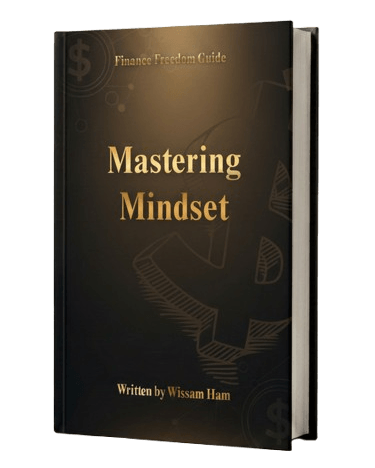
Cultivate the psychological architecture required for extraordinary wealth accumulation.

Reader's Choice
Where mindset, strategy, and technology converge to create exponential wealth in the digital age. Latest release.
Reader's Choice
Where mindset, strategy, and technology converge to create exponential wealth in the digital age. Latest release.
Top Rated
Cultivate the psychological architecture required for extraordinary wealth accumulation.
Bestseller
Navigate markets with strategic precision, balancing risk and opportunity across emerging asset classes.
AliExpress Deals for Freelancers
We hand pick products based on real freelancer needs.
Low Cost High Productive Setup Picked Carefully To Start Practicing our eBooks Content & Build Your Online Income Streams.













Need more than a eBook?
We don’t just give generic tips. We diagnose your unique financial situation, build a custom action plan, and walk with you step by step via daily email. No calls, no fluff.

Wissam Ham isn't just another financial expert he's a living testament to the power of mindset transformation. After climbing from financial uncertainty to creating multiple streams of passive income, he's dedicated his life to teaching others the exact principles that liberated him.
What makes Wissam different? He understands that true wealth begins between your ears. While others teach complicated investment strategies, Wissam focuses on the psychological foundation that makes those strategies actually work for you.

`The Art of Wealth Creation
Transforming financial mindsets through premium education, exclusive insights, and proven wealth building strategies.
Contact



© 2026 Finance Freedom Guide. All rights reserved.
Created by Wissam Ham | Financial Education for the Digital Age