
Financial Education
for the Digital Age
Finance Freedom Guide provides the comprehensive financial education missing from traditional systems. Through meticulously crafted books and actionable insights, we equip you with the mindset, strategies, and systems to build sustainable wealth in today's evolving economy.
How to Automate Your Finances: Step by Step Guide
A practical roadmap to putting your finances on autopilot in 30 days
For a long time, I thought managing money required constant discipline.
I believed financially successful people woke up every day highly motivated, carefully making perfect financial decisions one by one.
But the more I studied how long-term wealth is actually built, the more I noticed something surprising:
Most financially stable people automate as much of their financial life as possible.
They do not rely heavily on memory, motivation, or emotional control.
They build systems.
That realization changed the way I approached money completely.
Before automation, my finances often felt chaotic.
Some months I saved aggressively.
Other months I overspent emotionally and lost progress.
Bills felt stressful. Investing felt inconsistent. Financial planning felt mentally exhausting.
The problem was not lack of ambition.
The problem was too many financial decisions being made emotionally every day.
Automation solved that.
Because when good financial behavior becomes automatic, consistency becomes easier.
And consistency is what quietly builds wealth over time.
Why Most People Struggle to Manage Money Consistently
Modern life creates constant financial distractions.
People deal with:
subscriptions
bills
impulse spending
social pressure
unexpected expenses
financial anxiety
information overload
At the same time, most people are trying to manage their finances manually.
That creates decision fatigue.
The more financial decisions people make emotionally throughout the day, the harder discipline becomes.

This is why many people:
forget to save
delay investing
overspend impulsively
miss payments
abandon budgets
Not because they are irresponsible.
But because manual financial management becomes mentally exhausting over time.
Automation reduces that mental pressure.
What Financial Automation Actually Means
Financial automation means creating systems that handle important money decisions automatically with minimal emotional involvement.
Examples include:
automatic savings
automatic investing
automatic bill payments
automatic debt payments
recurring income transfers
spending alerts
budgeting systems
The goal is not removing awareness.
The goal is reducing unnecessary friction.
Because every unnecessary financial decision creates another opportunity for inconsistency.
Why Automation Matters for Wealth Building
Most wealth is built through consistency, not intensity.
People often overestimate dramatic actions and underestimate small repeated behaviors.
For example:
investing a moderate amount consistently for years
saving automatically every paycheck
avoiding late fees
reducing emotional spending
maintaining organized financial systems
These behaviors may appear small individually.
But over time, they compound financially and psychologically.
Automation helps protect people from their worst emotional moments:
stress
fear
impulsive spending
procrastination
uncertainty
That protection becomes extremely valuable long term.
Step 1: Create Financial Clarity First
Before automating anything, understand your current financial reality.
Most people try to automate chaos.
That usually fails.
Start by identifying:
monthly income
essential expenses
debt payments
recurring subscriptions
savings capacity
financial leaks
For one month, track where your money actually goes.
Not to judge yourself.
To create awareness.
Clarity reduces financial anxiety because uncertainty is often more stressful than reality itself.
Step 2: Open Separate Accounts for Different Purposes
One of the simplest financial systems is separating money intentionally.
Many financially disciplined people use multiple accounts for:
bills
savings
investing
spending
emergency funds
This creates psychological separation.
When all money sits in one account, overspending becomes easier because boundaries feel invisible.
Separate accounts create structure automatically.
For example:
Bills Account
Rent, utilities, insurance, subscriptions, transportation.
Spending Account
Daily purchases, restaurants, entertainment.
Emergency Savings Account
Unexpected expenses only.
Investment Account
Long-term wealth building.
This small system reduces confusion dramatically.
Step 3: Automate Savings Immediately After Payday
One of the most effective automation strategies is:
Pay yourself first.
Instead of saving money at the end of the month, automate savings immediately after income arrives.
Why?
Because people naturally spend what remains visible.
Automatic transfers reduce temptation.
Even small automatic savings create momentum:
$25 weekly
$100 monthly
percentage-based transfers
Consistency matters more than starting big.
Over time, automatic saving becomes part of identity rather than constant effort.
Step 4: Automate Investing Consistently
Many people delay investing because:
markets feel intimidating
timing feels uncertain
they fear making mistakes
Automation simplifies this dramatically.
Instead of trying to predict markets emotionally, create recurring investments on a fixed schedule.
This approach:
reduces emotional reactions
builds long-term consistency
removes market timing stress
supports compounding growth
Long-term investing usually rewards consistency more than perfection.

Automate Bills and Essential Payments
Late fees and missed payments quietly destroy financial stability.
Automating essential bills helps protect:
credit health
financial organization
emotional energy
Automate:
rent
utilities
insurance
subscriptions
debt payments
But continue reviewing statements regularly.
Automation should improve awareness, not eliminate it.
The goal is reducing unnecessary stress while maintaining financial visibility.
Build Spending Boundaries With Automation
Automation is not only about saving and investing.
It also helps control spending behavior.
Useful systems include:
spending alerts
weekly spending caps
category budgeting
separate debit cards
purchase notifications
These systems create awareness before emotional spending escalates.
Most overspending happens unconsciously.
Automation helps make behavior visible earlier.
Create a Monthly Financial Review System
Automation does not replace reflection.
Financially disciplined people still review their finances regularly.
Once per month, review:
spending patterns
investment progress
savings growth
unnecessary expenses
financial goals
emotional spending triggers
This prevents automation from becoming neglect.
Think of automation as the engine and monthly reviews as the navigation system.
Both matter.
The Psychological Benefits of Financial Automation
Automation improves more than finances.
It reduces:
anxiety
mental fatigue
financial stress
impulsive behavior
emotional decision-making
Many people constantly think about money because their financial life lacks structure.
Automation creates predictability.
And predictability creates psychological stability.
That emotional stability often improves financial decision-making in every area of life.
Why Simplicity Usually Wins
Many people overcomplicate personal finance.
They chase:
perfect budgeting systems
complicated investing strategies
endless financial content
advanced optimization
But most long-term financial success comes from mastering simple principles consistently:
spend less than you earn
invest regularly
automate good behavior
avoid emotional decisions
think long term
Simple systems people follow consistently usually outperform complicated systems they abandon emotionally.
The Bigger Purpose of Automation
The real purpose of automation is not becoming obsessed with money.
It is reducing the amount of life consumed by financial stress.
Financial systems create:
mental clarity
stability
flexibility
emotional breathing room
And over time, that creates more freedom to focus on:
meaningful work
learning
creativity
relationships
health
long-term goals
That is what financial structure is really supposed to support.
Final Thoughts
Most people believe financial discipline requires constant willpower.
But lasting wealth is usually built differently.
Through systems.
Automation removes friction, reduces emotional decision-making, and creates consistency during both good and stressful periods.
That consistency compounds quietly over time.
Because financial freedom is rarely built through one perfect decision.
It is usually built through small intelligent systems repeated automatically for years.


The system is broken. Traditional academia prepares you for employment, not financial independence. It teaches compliance rather than capital allocation, memorization over monetization. The real world financial education the kind that builds generational wealth happens in the margins: through mentorship, failure, self study, and learning by doing.
We’re here to close that gap. Finance Freedom Guide transforms decades of entrepreneurial and investment experience into structured roadmaps.
Whether you’re buried in debt or ready to scale digital assets, we believe financial intelligence is a learned skill not a genetic gift.
Our Mission;
Turn knowledge, creativity, and expertise into perpetual wealth systems. No fluff, no get rich quick fantasies just proven frameworks and the mindset shift required to break free from the 9‑5.

Bestseller
Navigate markets with strategic precision, balancing risk and opportunity across emerging asset classes.
Top Rated
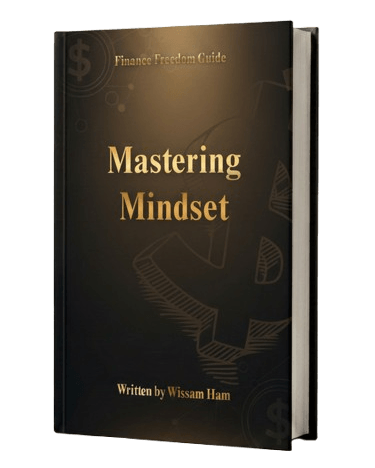
Cultivate the psychological architecture required for extraordinary wealth accumulation.

Reader's Choice
Where mindset, strategy, and technology converge to create exponential wealth in the digital age. Latest release.
Reader's Choice
Where mindset, strategy, and technology converge to create exponential wealth in the digital age. Latest release.
Top Rated
Cultivate the psychological architecture required for extraordinary wealth accumulation.
Bestseller
Navigate markets with strategic precision, balancing risk and opportunity across emerging asset classes.
AliExpress Deals for Freelancers
We hand pick products based on real freelancer needs.
Low Cost High Productive Setup Picked Carefully To Start Practicing our eBooks Content & Build Your Online Income Streams.













Need more than a eBook?
We don’t just give generic tips. We diagnose your unique financial situation, build a custom action plan, and walk with you step by step via daily email. No calls, no fluff.

Wissam Ham isn't just another financial expert he's a living testament to the power of mindset transformation. After climbing from financial uncertainty to creating multiple streams of passive income, he's dedicated his life to teaching others the exact principles that liberated him.
What makes Wissam different? He understands that true wealth begins between your ears. While others teach complicated investment strategies, Wissam focuses on the psychological foundation that makes those strategies actually work for you.

`The Art of Wealth Creation
Transforming financial mindsets through premium education, exclusive insights, and proven wealth building strategies.
Contact



© 2026 Finance Freedom Guide. All rights reserved.
Created by Wissam Ham | Financial Education for the Digital Age