Financial Education
for the Digital Age
Finance Freedom Guide provides the comprehensive financial education missing from traditional systems. Through meticulously crafted books and actionable insights, we equip you with the mindset, strategies, and systems to build sustainable wealth in today's evolving economy.
Beginner's Guide to Investing Without Fear
How to start investing today, even if you know nothing and have very little money
The first time I seriously thought about investing, I felt overwhelmed.
Everywhere I looked, people were talking about:
stock market crashes
risky investments
crypto volatility
day trading
financial losses
Some people made investing sound incredibly complicated.
Others made it sound like gambling.
For a long time, that fear stopped me from starting.
I told myself:
“I’ll learn later.”
“I need more money first.”
“What if I lose everything?”
But eventually, I realized something important:
The biggest financial risk was not starting too early.
It was waiting too long because of fear.
That realization changed the way I viewed investing completely.
Because investing is not only about growing money.
It is about giving your future self a chance to benefit from time, consistency, and compounding.
And most people are never taught this clearly.
Why Investing Feels Intimidating
Investing feels scary for many beginners because schools rarely teach how money actually grows over time.
Most people grow up learning:
how to earn money
how to spend money
how to save money
But very few people learn:
how investing works
how wealth compounds
how risk is managed
how long-term investing creates financial stability
As a result, investing often feels mysterious and dangerous.
Social media makes this worse by constantly promoting:
fast profits
risky speculation
emotional trading
overnight success stories
But real investing is usually much slower and less dramatic.
Long-term investing is often about:
patience
consistency
risk management
emotional discipline
long-term thinking
That is a very different mindset from gambling.
The Biggest Myth About Investing
One of the biggest misconceptions is:
“Investing is only for rich people.”
This belief keeps many people financially stuck for years.
In reality, modern investing has become more accessible than ever.
Many people begin with:
small monthly contributions
low-cost index funds
retirement accounts
fractional investing
automated investing systems
The goal is not becoming rich overnight.
The goal is building ownership gradually over time.
Even small investments become meaningful because of compound growth.

Why Fear Stops Most People From Investing
Fear usually comes from uncertainty.
People fear:
losing money
making mistakes
market crashes
not understanding investing
starting at the wrong time
These fears are normal.
But many beginners assume successful investors never feel uncertainty.
That is not true.
Even experienced investors cannot predict markets perfectly.
What matters more is developing a strategy that survives uncertainty over long periods.
Because investing success is often less about intelligence and more about behavior.
The Difference Between Investing and Gambling
This distinction is extremely important.
Gambling usually depends on:
emotion
luck
short-term outcomes
impulsive decisions
Long-term investing is different.
It focuses on:
ownership
diversification
patience
risk management
long-term growth
For example:
buying diversified index funds for decades
investing consistently every month
focusing on long-term economic growth
is very different from:
chasing hype
emotional trading
trying to get rich quickly
Fear often decreases when people understand this difference clearly.
What Beginners Should Focus on First
Many new investors overcomplicate everything immediately.
They try to:
predict markets
pick perfect stocks
master advanced strategies
follow constant financial news
This usually increases fear and confusion.
Instead, beginners should focus on simple foundations first.
Step 1: Understand Why Investing Matters
Saving money alone often struggles to outpace inflation over long periods.
Investing helps money grow through:
businesses
economic growth
compound returns
ownership
Over time, investments can potentially generate growth that savings accounts alone often cannot.
This is one reason long-term investing plays such an important role in wealth creation.
Step 2: Learn the Power of Compounding
One of the most powerful concepts in finance is compound growth.
Small investments repeated consistently can grow dramatically over time because returns begin generating additional returns.
Step 3: Focus on Consistency, Not Perfection
Many people delay investing while waiting for:
the perfect market
the perfect strategy
the perfect timing
But markets are unpredictable.
Long-term investors often succeed by remaining consistent rather than trying to predict every movement.
For many beginners, consistency may look like:
monthly investing
automated contributions
diversified investments
long-term holding
Simple strategies followed consistently often outperform emotional decision-making.
Step 4: Start Small to Reduce Fear
Fear becomes smaller through experience.
Many beginners think they need large amounts of money to start investing.
But beginning small can help build confidence gradually.
Starting small allows people to:
learn emotionally
understand market fluctuations
build consistency
reduce anxiety
The goal early on is not maximizing returns.
It is building investing behavior.
Step 5: Avoid Emotional Investing
One of the biggest investing mistakes is reacting emotionally to short-term market movements.
When markets rise, people become greedy.
When markets fall, people become fearful.
This emotional cycle causes many beginners to:
buy impulsively
sell during fear
abandon long-term plans
Successful long-term investors usually focus more on discipline than prediction.
They understand volatility is normal.
Markets naturally experience:
uncertainty
corrections
economic cycles
temporary declines
Long-term investing requires emotional patience.
Why Time Matters More Than Timing
Many beginners obsess over finding the perfect entry point.
But historically, long-term consistency has often mattered more than perfect timing.
People who invest steadily over many years generally benefit from:
compounding
economic growth
reinvestment
long-term market expansion
Waiting indefinitely for certainty often delays progress more than imperfect investing decisions.
The Psychology Behind Investing Fear
Most investing fear is psychological before it becomes financial.
People fear uncertainty because uncertainty feels uncomfortable emotionally.
But avoiding all uncertainty can quietly become risky too.
Without investing:
inflation reduces purchasing power
opportunities for long-term growth decrease
financial dependency often increases over time
The goal is not eliminating risk completely.
The goal is learning how to manage risk intelligently.
The Importance of Diversification
One of the safest principles beginners can learn is diversification.
Diversification means spreading investments across different assets rather than relying entirely on one company, one idea, or one trend.
This helps reduce the impact of individual losses.
Diversification does not eliminate risk entirely.
But it helps create more stability over long periods.
For many beginners, diversified index investing becomes a practical starting point because it simplifies decision-making and reduces concentration risk.
What Investing Is Really About
Most people think investing is mainly about money.
But over time, I realized it is also about:
patience
emotional control
long-term thinking
consistency
trust in gradual progress
Investing trains people to think beyond immediate gratification.
And that mindset often improves financial behavior in every area of life.
Final Thoughts
Feeling afraid of investing is normal.
Most beginners feel uncertainty at first.
But long-term wealth is rarely built by waiting for perfect confidence.
It is usually built through:
education
patience
consistency
emotional discipline
gradual action

The people who eventually build financial freedom are often not the ones who started fearlessly.
They are the ones who started carefully, learned continuously, and stayed consistent long enough for compounding to work in their favor.

The system is broken. Traditional academia prepares you for employment, not financial independence. It teaches compliance rather than capital allocation, memorization over monetization. The real world financial education the kind that builds generational wealth happens in the margins: through mentorship, failure, self study, and learning by doing.
We’re here to close that gap. Finance Freedom Guide transforms decades of entrepreneurial and investment experience into structured roadmaps.
Whether you’re buried in debt or ready to scale digital assets, we believe financial intelligence is a learned skill not a genetic gift.
Our Mission;
Turn knowledge, creativity, and expertise into perpetual wealth systems. No fluff, no get rich quick fantasies just proven frameworks and the mindset shift required to break free from the 9‑5.
Bestseller
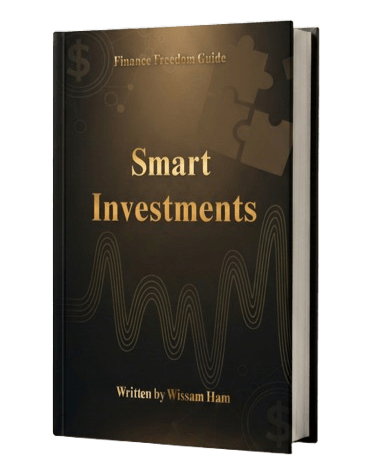
Navigate markets with strategic precision, balancing risk and opportunity across emerging asset classes.
Top Rated
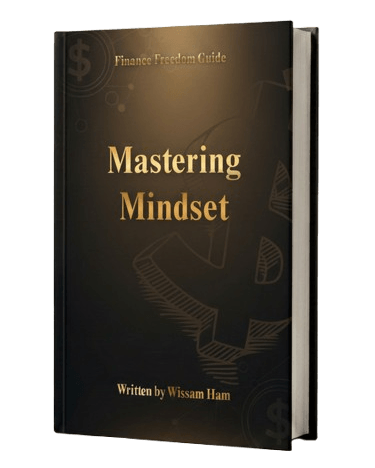
Cultivate the psychological architecture required for extraordinary wealth accumulation.

Reader's Choice
Where mindset, strategy, and technology converge to create exponential wealth in the digital age. Latest release.
Reader's Choice
Where mindset, strategy, and technology converge to create exponential wealth in the digital age. Latest release.
Top Rated
Cultivate the psychological architecture required for extraordinary wealth accumulation.
Bestseller
Navigate markets with strategic precision, balancing risk and opportunity across emerging asset classes.
AliExpress Deals for Freelancers
We hand pick products based on real freelancer needs.
Low Cost High Productive Setup Picked Carefully To Start Practicing our eBooks Content & Build Your Online Income Streams.













Need more than a eBook?
We don’t just give generic tips. We diagnose your unique financial situation, build a custom action plan, and walk with you step by step via daily email. No calls, no fluff.

Wissam Ham isn't just another financial expert he's a living testament to the power of mindset transformation. After climbing from financial uncertainty to creating multiple streams of passive income, he's dedicated his life to teaching others the exact principles that liberated him.
What makes Wissam different? He understands that true wealth begins between your ears. While others teach complicated investment strategies, Wissam focuses on the psychological foundation that makes those strategies actually work for you.
`The Art of Wealth Creation
Transforming financial mindsets through premium education, exclusive insights, and proven wealth building strategies.
Contact



© 2026 Finance Freedom Guide. All rights reserved.
Created by Wissam Ham | Financial Education for the Digital Age