
Financial Education
for the Digital Age
Finance Freedom Guide provides the comprehensive financial education missing from traditional systems. Through meticulously crafted books and actionable insights, we equip you with the mindset, strategies, and systems to build sustainable wealth in today's evolving economy.
How to Build Financial Discipline When You Feel Lost
A practical system for developing unshakeable money habits, even when motivation fails
There was a period in my life when I constantly felt financially overwhelmed.
I knew I needed to improve my money habits, but everything felt chaotic.
One week I was motivated to save money, track expenses, and plan my future. The next week I was back to emotional spending, procrastination, and avoiding my finances completely.
What made it worse was the guilt.
Every time I failed to stay disciplined, I started believing something was wrong with me.
But eventually, I realized the real problem was not laziness.
It was the absence of structure.
Most people think financial discipline comes from extreme motivation or perfect self-control. In reality, discipline is usually the result of systems, clarity, and environment.
When people feel financially lost, they often try to change everything at once:
save aggressively
invest immediately
cut all spending
start side hustles
learn finance overnight
That creates mental exhaustion.
And exhausted people rarely stay consistent.
Real financial discipline is not built through intensity.
It is built through repeatable behaviors that become stable over time.
Why Financial Discipline Feels So Difficult
Most people are trying to build discipline while fighting:
stress
uncertainty
emotional fatigue
social pressure
financial anxiety
information overload
Modern life constantly attacks focus.
Every day people are exposed to:
advertisements encouraging consumption
social media comparison
instant gratification
financial fear
unrealistic success stories
As a result, many people feel trapped between two extremes:
wanting financial freedom
struggling to maintain consistent habits
The problem is not usually intelligence.
It is psychological overload.
When the mind feels overwhelmed, short-term comfort becomes more attractive than long-term progress.
That is why many people know what they should do financially but still struggle to do it consistently.
The Hidden Truth About Discipline
Financial discipline is not about becoming emotionally perfect.
It is about reducing the number of bad decisions made during emotional moments.
That changes the entire perspective.
People often imagine disciplined individuals as people with endless motivation.
But most financially stable people simply build systems that make good decisions easier and destructive decisions harder.
For example:
automatic savings
automatic investing
spending limits
scheduled financial reviews
simplified budgeting
fewer financial distractions
Discipline becomes easier when systems reduce emotional friction.
The First Step: Stop Trying to Fix Everything Immediately
One of the biggest mistakes people make when feeling financially lost is trying to completely transform their life in one week.
This usually creates:
burnout
frustration
inconsistency
shame
Instead, focus on stability first.
Not perfection.
Before investing aggressively or building complicated financial plans, begin with simple clarity.
Ask yourself:
How much money enters my life every month?
Where does most of it go?
Which habits create the most financial stress?
What financial behaviors make me feel out of control?
Awareness creates control.
Many people avoid looking at their finances because uncertainty feels uncomfortable.
But clarity reduces anxiety.
Even difficult financial truths become easier to manage once they are visible.

The Financial Reset System
When life feels financially chaotic, simplify everything.
Start with four foundational areas.
1. Track Your Spending Without Judgment
For the next 30 days, track every expense.
Not to punish yourself.
To understand yourself.
Most people underestimate how much emotional behavior affects spending.
Patterns quickly appear:
stress spending
boredom purchases
impulse subscriptions
social spending
convenience spending
Awareness alone often improves decision-making.
2. Create a “Bare Minimum” Financial Plan
Instead of trying to build the perfect budget, create a simple survival framework.
Focus only on:
housing
food
transportation
bills
debt payments
savings
This removes unnecessary complexity.
A simple financial system people can follow consistently is more powerful than a perfect system they abandon after two weeks.
3. Automate One Positive Financial Behavior
Do not rely entirely on willpower.
Choose one financial action to automate:
automatic savings
automatic investing
automatic bill payments
automatic debt payments
Even small automated actions create momentum.
Consistency matters more than intensity.
4. Reduce Financial Noise
Many people consume too much financial content and take too little action.
They constantly:
watch finance videos
read investment opinions
compare strategies
follow market news
But information without execution creates confusion.
Focus on mastering basic behaviors first:
spending less than you earn
building emergency savings
learning long-term investing
improving income skills
reducing emotional spending
Simple principles repeated consistently outperform complicated strategies ignored emotionally.
Why Environment Shapes Financial Behavior
Discipline is heavily influenced by environment.
People who constantly surround themselves with:
consumer culture
impulsive spending
financial negativity
unrealistic lifestyles
often struggle to maintain financial focus.
Your environment quietly shapes:
habits
standards
expectations
emotional triggers
This is why small environmental changes matter:
deleting shopping apps
limiting social media comparison
creating a clean workspace
using separate savings accounts
following educational content instead of luxury content
Good environments reduce unnecessary temptation.
The Psychology of Small Wins
Many people quit because they expect immediate transformation.
But financial discipline usually grows through small victories.
Examples:
saving your first $100
tracking spending for one week
avoiding one emotional purchase
paying off one small debt
building one month of emergency savings
These small wins change identity.
People slowly stop thinking:
“I’m bad with money.”
And start thinking:
“I’m becoming someone who manages money better.”
Identity change is powerful.
Because once behavior becomes part of identity, consistency becomes easier.

The Neuroscience of Discipline
Most financially disciplined people are not constantly motivated.
They simply reduce chaos.
They:
automate important decisions
avoid unnecessary debt
think long term
build routines
track progress calmly
recover quickly from mistakes
focus on consistency over perfection
Most importantly, they understand that setbacks are normal.
One bad financial month does not destroy a person’s future.
What matters is returning to structure instead of giving up completely.
The Difference Between Motivation and Systems
Motivation is emotional.
Systems are structural.
Motivation changes constantly.
Systems continue operating even during stressful periods.
That is why long-term financial progress is usually built on systems, not feelings.
A person who automatically invests every month often outperforms someone waiting for the perfect emotional state to begin.
The goal is not becoming perfectly disciplined overnight.
The goal is building a life where good financial decisions happen more naturally over time.
Final Thoughts
Feeling financially lost does not mean you are incapable of building wealth.
In many cases, it simply means your financial life lacks clarity, structure, and systems.
Discipline is not something people are born with.
It is something gradually built through:
awareness
repetition
emotional control
simplified systems
long-term thinking
Most financial progress happens quietly.
One habit improves.
One system gets automated.
One emotional decision gets avoided.
And slowly, financial chaos turns into stability.
Because real discipline is rarely dramatic.
It is usually built through small decisions repeated consistently long after motivation disappears.

The system is broken. Traditional academia prepares you for employment, not financial independence. It teaches compliance rather than capital allocation, memorization over monetization. The real world financial education the kind that builds generational wealth happens in the margins: through mentorship, failure, self study, and learning by doing.
We’re here to close that gap. Finance Freedom Guide transforms decades of entrepreneurial and investment experience into structured roadmaps.
Whether you’re buried in debt or ready to scale digital assets, we believe financial intelligence is a learned skill not a genetic gift.
Our Mission;
Turn knowledge, creativity, and expertise into perpetual wealth systems. No fluff, no get rich quick fantasies just proven frameworks and the mindset shift required to break free from the 9‑5.

Bestseller
Navigate markets with strategic precision, balancing risk and opportunity across emerging asset classes.
Top Rated
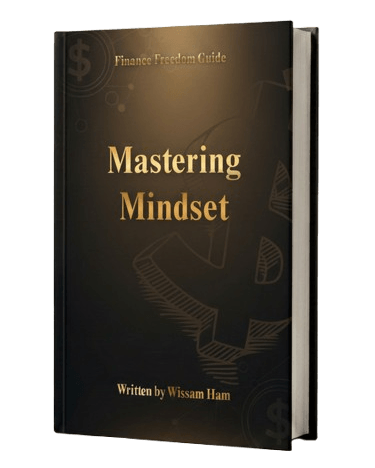
Cultivate the psychological architecture required for extraordinary wealth accumulation.

Reader's Choice
Where mindset, strategy, and technology converge to create exponential wealth in the digital age. Latest release.
Reader's Choice
Where mindset, strategy, and technology converge to create exponential wealth in the digital age. Latest release.
Top Rated
Cultivate the psychological architecture required for extraordinary wealth accumulation.
Bestseller
Navigate markets with strategic precision, balancing risk and opportunity across emerging asset classes.
AliExpress Deals for Freelancers
We hand pick products based on real freelancer needs.
Low Cost High Productive Setup Picked Carefully To Start Practicing our eBooks Content & Build Your Online Income Streams.













Need more than a eBook?
We don’t just give generic tips. We diagnose your unique financial situation, build a custom action plan, and walk with you step by step via daily email. No calls, no fluff.

Wissam Ham isn't just another financial expert he's a living testament to the power of mindset transformation. After climbing from financial uncertainty to creating multiple streams of passive income, he's dedicated his life to teaching others the exact principles that liberated him.
What makes Wissam different? He understands that true wealth begins between your ears. While others teach complicated investment strategies, Wissam focuses on the psychological foundation that makes those strategies actually work for you.

`The Art of Wealth Creation
Transforming financial mindsets through premium education, exclusive insights, and proven wealth building strategies.
Contact



© 2026 Finance Freedom Guide. All rights reserved.
Created by Wissam Ham | Financial Education for the Digital Age