Financial Education
for the Digital Age
Finance Freedom Guide provides the comprehensive financial education missing from traditional systems. Through meticulously crafted books and actionable insights, we equip you with the mindset, strategies, and systems to build sustainable wealth in today's evolving economy.
Why Digital Products Are the New Real Estate
Understanding the economics, advantages, and strategies of digital property ownership in the 21st century
For decades, real estate was considered one of the most powerful paths to wealth.
People believed:
property created stability
ownership created leverage
assets generated long-term income
appreciation built wealth over time
And for many people, that was true.
But something major changed with the rise of the internet.
Today, a new category of assets is quietly transforming wealth creation:
digital products.
At first, I underestimated them completely.
I thought digital products were small side projects.
Temporary online trends.
But the more I studied the digital economy, the more I realized something important:
Many modern creators, entrepreneurs, and online builders were generating scalable income from assets that required no physical land at all.
No buildings.
No warehouses.
No physical infrastructure.
Just:
ideas
systems
technology
creativity
digital leverage
And in many ways, digital products now behave similarly to modern digital real estate.
What Is a Digital Product?
A digital product is something created once and delivered digitally many times.
Examples include:
ebooks
online courses
templates
digital guides
software
memberships
educational systems
AI tools
digital downloads
paid communities
Unlike physical products, digital products often:
have low distribution costs
scale globally
require no inventory
operate continuously online
That scalability makes them powerful.
Because once the system is built, the product can continue creating value repeatedly.

Why Real Estate Became Valuable
To understand why digital products matter, it helps to understand why real estate historically created wealth.
Real estate became powerful because it offered:
ownership
scarcity
cash flow potential
appreciation
leverage
long-term value creation
Property owners controlled valuable assets capable of generating recurring income over time.
Digital products operate differently technically.
But economically, they share several similar characteristics.
Digital Products Create Scalable Ownership
One major similarity between real estate and digital products is ownership.
When people create:
digital systems
online courses
educational assets
software
intellectual property
they own assets capable of generating recurring value.
This is important because ownership changes financial dynamics completely.
Consumers constantly spend.
Owners build systems that can continue producing value repeatedly.
That shift from consumption toward ownership becomes one of the biggest advantages in the digital economy.
The Internet Reduced Distribution Costs to Almost Zero
Traditional businesses often require:
inventory
shipping
physical locations
operational complexity
Digital products removed many of these limitations.
A single product can now reach:
different countries
global audiences
unlimited customers
with minimal additional cost.
This dramatically increased leverage.
One useful digital asset can continue generating:
income
visibility
trust
opportunities
long after the initial work is finished.
Why Digital Assets Scale Faster Than Physical Assets
Physical real estate often scales slowly because it depends on:
geography
maintenance
capital
regulations
physical limitations
Digital products scale differently.
An ebook can sell infinitely.
An online course can reach thousands simultaneously.
Software can serve millions of users globally.
This creates enormous scalability compared to traditional physical systems.
That scalability is one reason digital entrepreneurs can grow surprisingly quickly online.
The Psychology of Building Digital Assets
One reason many people ignore digital products is because they underestimate invisible assets.
Physical assets feel “real.”
Digital assets initially feel abstract.
But the internet changed how value works.
Today:
audiences have value
intellectual property has value
systems have value
attention has value
trust has value
The digital economy increasingly rewards intangible assets.
And many people still underestimate how powerful those assets can become over time.
Why Attention Became Digital Land
In many ways, attention functions like digital land online.
Websites, audiences, communities, and search visibility create valuable positioning.
People who build trusted digital ecosystems often control valuable online attention.
That attention can eventually support:
products
businesses
memberships
education
software
digital systems
This is why content creators and digital builders increasingly focus on audience ownership instead of only short-term traffic.
Attention compounds.
Why Trust Is the Foundation of Digital Wealth
Many people try to build digital income quickly without building trust first.
That usually fails long term.
Sustainable digital products are built on:
honesty
usefulness
consistency
problem solving
realistic expectations
Trust matters because people buy confidence before they buy products.
Especially online.
This is why valuable educational content often becomes one of the strongest long-term digital assets.
Trust compounds similarly to investments.
AI Is Accelerating Digital Product Creation
Artificial intelligence is making digital creation faster than ever.
AI tools now help people:
write faster
generate ideas
automate workflows
improve research
build systems
increase productivity
Companies like OpenAI accelerated this transformation dramatically.
But AI itself is not the asset.
The asset is what people build using these tools.
The people gaining the biggest advantages are often combining:
creativity
systems
AI leverage
digital ownership
strategic thinking
That combination creates scalable modern opportunities.
Why Most People Never Build Digital Assets
Most people remain trapped in short-term thinking.
They focus only on:
immediate income
quick results
temporary work
consumption
Digital assets require:
patience
consistency
experimentation
long-term thinking
At first, results often feel invisible.
Few sales.
Few visitors.
Little recognition.
But digital systems compound slowly before accelerating.
Most people quit before leverage appears.

Digital Products Compound Over Time
One digital product often leads to another.
A blog may build:
trust
search visibility
audiences
authority
That audience may later support:
courses
memberships
products
consulting
digital systems
Over time, digital ecosystems begin reinforcing each other.
This creates compounding growth.
The strongest digital businesses are often built gradually through multiple connected assets.
Why Ownership Matters More Than Ever
Modern economies increasingly reward ownership.
People who own:
audiences
intellectual property
systems
digital assets
platforms
often gain leverage unavailable through traditional labor alone.
This does not mean traditional work has no value.
But ownership creates scalability.
And scalability changes financial potential dramatically over time.
How to Start Building Digital Products
You do not need advanced technology or huge audiences to begin.
Start simple.
Identify One Useful Skill or Idea
Focus on practical value.
Solve Real Problems
Useful products outperform empty hype.
Create Small Assets First
Simple guides, templates, or educational content are enough to begin.
Build Consistently
Digital ecosystems compound slowly over time.
Focus on Trust
Long-term value matters more than short-term attention.
Small digital assets can eventually become powerful systems when developed consistently.
The Future of Wealth Is Increasingly Digital
The internet changed ownership forever.
Today, individuals can build scalable assets from:
knowledge
creativity
systems
education
technology
digital leverage
That was nearly impossible for most people historically.
Digital products may not replace traditional real estate completely.
But they are becoming a new form of scalable ownership in the modern economy.
And the people who understand this shift early may create enormous long-term advantages.
Final Thoughts
Digital products are changing how wealth is built online.
Like real estate, they create:
ownership
leverage
recurring value
scalability
long-term growth potential
But unlike traditional physical assets, digital products can often scale globally with minimal distribution costs.
That creates opportunities previous generations never had access to.
The modern economy increasingly rewards people who build:
systems
intellectual property
digital assets
trusted ecosystems
Because in the digital age, some of the most valuable property no longer exists physically.
It exists online.

The system is broken. Traditional academia prepares you for employment, not financial independence. It teaches compliance rather than capital allocation, memorization over monetization. The real world financial education the kind that builds generational wealth happens in the margins: through mentorship, failure, self study, and learning by doing.
We’re here to close that gap. Finance Freedom Guide transforms decades of entrepreneurial and investment experience into structured roadmaps.
Whether you’re buried in debt or ready to scale digital assets, we believe financial intelligence is a learned skill not a genetic gift.
Our Mission;
Turn knowledge, creativity, and expertise into perpetual wealth systems. No fluff, no get rich quick fantasies just proven frameworks and the mindset shift required to break free from the 9‑5.
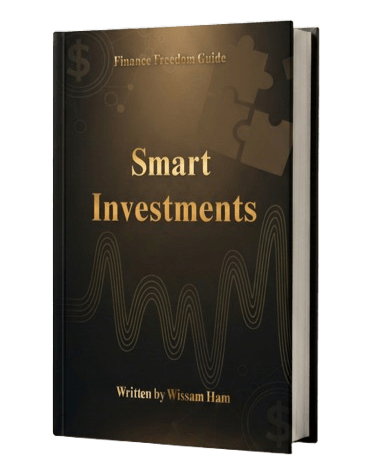
Bestseller
Navigate markets with strategic precision, balancing risk and opportunity across emerging asset classes.
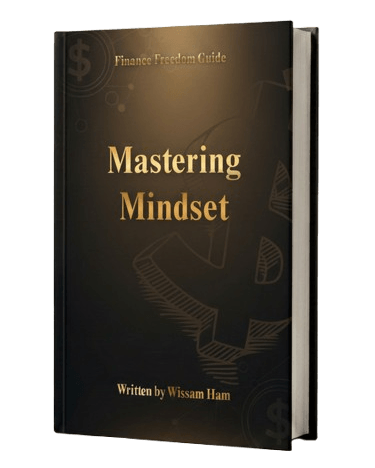
Top Rated
Cultivate the psychological architecture required for extraordinary wealth accumulation.
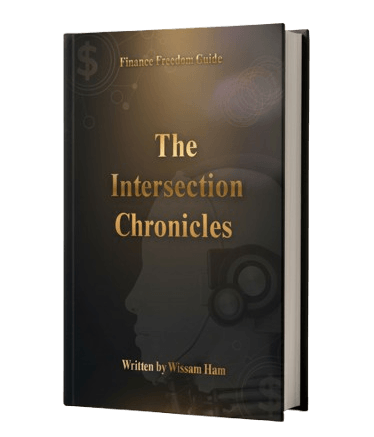
Reader's Choice
Where mindset, strategy, and technology converge to create exponential wealth in the digital age. Latest release.
Reader's Choice
Where mindset, strategy, and technology converge to create exponential wealth in the digital age. Latest release.
Top Rated
Cultivate the psychological architecture required for extraordinary wealth accumulation.
Bestseller
Navigate markets with strategic precision, balancing risk and opportunity across emerging asset classes.
AliExpress Deals for Freelancers
We hand pick products based on real freelancer needs.
Low Cost High Productive Setup Picked Carefully To Start Practicing our eBooks Content & Build Your Online Income Streams.













Need more than a eBook?
We don’t just give generic tips. We diagnose your unique financial situation, build a custom action plan, and walk with you step by step via daily email. No calls, no fluff.

Wissam Ham isn't just another financial expert he's a living testament to the power of mindset transformation. After climbing from financial uncertainty to creating multiple streams of passive income, he's dedicated his life to teaching others the exact principles that liberated him.
What makes Wissam different? He understands that true wealth begins between your ears. While others teach complicated investment strategies, Wissam focuses on the psychological foundation that makes those strategies actually work for you.
`The Art of Wealth Creation
Transforming financial mindsets through premium education, exclusive insights, and proven wealth building strategies.
Contact



© 2026 Finance Freedom Guide. All rights reserved.
Created by Wissam Ham | Financial Education for the Digital Age