Finance Freedom Guide provides the comprehensive financial education missing from traditional systems. Through meticulously crafted books and actionable insights, we equip you with the mindset, strategies, and systems to build sustainable wealth in today's evolving economy.
The greatest financial mistake of our era is the belief that past performance guarantees future results. Tactics that worked magnificently from 2010 to 2026 zero interest rates, endless liquidity, nearly uninterrupted asset appreciation are not universal laws of finance. They were specific conditions of a particular economic environment.
Future-proof wealth is not built on nostalgia for yesterday's returns. It is not built on predictions about next year's hot sector. It is built on architecture: a deliberate, multi layered system designed to withstand whatever economic conditions the coming decades deliver.
This is not a portfolio. This is not an investment strategy. This is a complete wealth operating system.

Wealth as System, Not Number
The First Principle: Resilience Over Optimization
Optimization seeks the maximum return under ideal conditions. Resilience seeks survival and prosperity under all conditions. These goals are often in conflict.
The optimized portfolio is concentrated in whatever asset class performed best last year. It maximizes leverage, minimizes cash, and assumes perfect conditions will persist. It performs magnificently until it fails catastrophically.
The resilient portfolio sacrifices some upside in good years to ensure survival in bad years. It holds dry powder. It diversifies across uncorrelated assets. It accepts that being right about the future is impossible and prepares for multiple possible futures.
Resilience is not pessimism. It is realism with a time horizon measured in decades.
The Second Principle: Optionality Over Certainty
Certainty is a seductive illusion. The investor who believes they know exactly which assets will outperform over the next decade is either delusional or selling something.
Optionality is the strategic alternative. Instead of predicting the future, you structure your wealth to thrive under multiple futures. You maintain liquidity to seize opportunities you cannot currently imagine. You develop skills that remain valuable regardless of technological change. You build networks that provide information and opportunities you cannot predict.
Optionality is the ultimate hedge against uncertainty. It is the admission that you do not know what will happen, combined with the determination to be prepared for whatever does.
The Third Principle: Systems Over Goals
Goals are destinations. Systems are processes. Goals create motivation but also create failure states. Systems create consistent behavior regardless of motivation.
A goal is "I want to have one million dollars by age fifty." This goal provides direction but also creates anxiety, disappointment with progress, and the risk of abandonment when setbacks occur.
A system is "I will invest fifteen percent of my income every month in a diversified portfolio and rebalance annually." This system requires no willpower after implementation. It does not depend on market performance or precise achievement dates. It simply operates.
The wealthy do not achieve their wealth through heroic goal achievement. They build systems that manufacture wealth automatically.
Defensive Architecture for Permanent Stability
Component A: Strategic Liquidity Reserves
Traditional emergency fund advice three to six months of expenses is inadequate for a complete wealth architecture. The resilient household maintains:
Base Liquidity: Six months of essential expenses in high yield savings or Treasury money market funds. This covers job loss, medical emergencies, or unexpected major expenses without forcing asset sales.
Opportunity Liquidity: An additional three to six months of expenses in ultra-short-term bond funds or CDs with staggered maturities. This capital is available for deployment during market dislocations, real estate opportunities, or personal ventures.
Psychological Liquidity: A modest allocation to physical cash and precious metals. The utility here is not financial but psychological. During systemic crises when digital systems falter, this allocation provides peace of mind and practical functionality disproportionate to its financial value.
The optimal liquidity level varies by circumstances. A dual income household with stable government employment requires less than a single entrepreneur with volatile income. The principle is intentionality: liquidity is calibrated to actual needs, not maximum possible safety.
Component B: Comprehensive Risk Transfer
Insurance is not an expense category. Insurance is the mechanism by which catastrophic, low-probability risks are transferred from your balance sheet to institutions designed to bear them.
Health Insurance: The non negotiable foundation. Medical bankruptcy remains the leading cause of personal bankruptcy in developed nations despite universal coverage in some jurisdictions. Adequate coverage with reasonable out of pocket maximums is wealth protection.
Disability Insurance: Your human capital your ability to earn income is almost certainly your largest financial asset. Disability insurance protects this asset against the risk that you cannot work. Group coverage through employers is often insufficient. Individual policies with own occupation definitions provide true protection.
Term Life Insurance: If others depend on your income, term life insurance is not optional. Twenty to thirty year level term policies with death benefits sufficient to replace your income, pay off debts, and fund children's education are inexpensive relative to the catastrophic loss they prevent.
Personal Liability Umbrella: As net worth grows, standard homeowners and auto liability limits become dangerously insufficient. Umbrella policies providing one to five million dollars in additional liability coverage cost approximately two hundred to five hundred dollars annually. This is trivial relative to the wealth it protects.
Long-Term Care Insurance: For those over fifty or with significant retirement assets, long-term care insurance protects against the catastrophic cost of extended custodial care. The alternative self insuring or relying on family is often unrealistic.
Component C: Strategic Debt Management
Debt is not inherently good or evil. Debt is leverage. The question is whether the leverage amplifies returns or amplifies risk.
Protected Debt: Fixed-rate, long-term, non-callable debt secured against appreciating or income-generating assets. A thirty-year fixed mortgage at three to four percent on a rental property generating seven percent cash on cash returns is mathematically beneficial.
Tolerated Debt: Moderate interest consumer debt (four to seven percent) on essential, durable assets. A reasonable auto loan for reliable transportation in a low interest environment is not optimal but is not catastrophic.
Eliminated Debt: Any debt with interest rates exceeding expected investment returns, and certainly any debt exceeding eight to ten percent. Credit card debt, payday loans, and high interest personal loans are financial emergencies requiring immediate elimination.
The resilient borrower maintains significant untapped credit capacity. Available credit lines, even unused, provide emergency liquidity and negotiating leverage.
Offensive Architecture for Generational Growth
Component A: The Core Equity Portfolio
The center of the wealth machine is elegantly simple: broad, low-cost ownership of global productive capacity.
Domestic Total Market: Forty to sixty percent of total portfolio assets in a fund tracking the entire U.S. stock market. This captures ownership of American economic output across all sectors and market capitalizations. Expense ratios below zero point one percent are readily available.
International Developed Markets: Fifteen to twenty-five percent of portfolio assets in funds tracking developed international economies. This provides geographic diversification and exposure to different economic cycles, demographic profiles, and monetary policies.
Emerging Markets: Five to fifteen percent of portfolio assets in funds tracking developing economies. This allocation is more volatile but provides exposure to faster-growing economies and younger demographic profiles.
The specific fund choices matter far less than the consistent commitment to broad diversification, minimal costs, and permanent holding.
Component B: Fixed Income as Portfolio Stabilizer
Bonds are not return generators in this architecture. Bonds are volatility dampeners and deflation hedges.
Intermediate-Term Treasury Bonds: The highest-quality fixed income available, backed by the full faith and credit of sovereign governments. These appreciate during economic crises and deflationary periods when equities decline, providing rebalancing opportunities.
Treasury Inflation-Protected Securities (TIPS): Direct protection against unexpected inflation. The principal adjusts with the Consumer Price Index, ensuring that purchasing power is maintained regardless of monetary conditions.
Investment Grade Corporate Bonds: Modest yield enhancement with moderate additional risk. Limited to short-to-intermediate maturities to minimize interest rate sensitivity.
The bond allocation varies inversely with the investor's remaining working years and directly with their need for portfolio stability. A thirty-year-old with stable employment may hold ten to fifteen percent in bonds. A sixty-year-old entering retirement may hold thirty to forty percent.
Component C: Systematic Rebalancing
The compound engine requires occasional maintenance. Annual rebalancing selling assets that have appreciated beyond their target allocation and buying assets that have declined below their target allocation enforces the fundamental discipline of selling high and buying low.
This mechanical process removes emotion from portfolio management. When equities decline thirty percent and feel terrifying, the rebalancing discipline requires purchasing more. When equities double and feel euphoric, the discipline requires taking profits.
Rebalancing does not reliably enhance returns. It reliably enforces discipline and maintains the portfolio's risk profile.
Component D: Tax Optimization Architecture
The compound engine operates most efficiently when tax leakage is minimized.
Tax Deferred Accounts (Traditional 401k, Traditional IRA): Contributions reduce current taxable income. Growth compounds without current taxation. Withdrawals are taxed as ordinary income in retirement. Optimal for investors who expect lower tax rates in retirement than during accumulation.
Tax Exempt Accounts (Roth 401k, Roth IRA): Contributions are after tax. Growth compounds tax free. Qualified withdrawals are entirely tax free. Optimal for young investors, investors expecting higher future tax rates, and those seeking tax diversification.
Health Savings Accounts (HSA): The triple tax advantage. Contributions are pre tax (or tax deductible). Growth is tax-free. Qualified withdrawals for medical expenses are tax free. After age sixty five, non medical withdrawals are taxed as ordinary income. The HSA is arguably the most powerful retirement account available.
Taxable Brokerage Accounts: No contribution limits. No withdrawal restrictions. Tax-efficient investing using broad market ETFs minimizes current taxation. Long-term capital gains rates are favorable. Step-up in basis at death provides permanent tax elimination for heirs.
Strategic asset location placing tax inefficient assets (bonds, REITs) in tax advantaged accounts and tax efficient assets (broad market ETFs) in taxable accounts improves after tax returns without altering portfolio composition.
Opportunity Architecture for Changing Landscapes
Component A: Thematic Innovation Allocation
A modest portion of portfolio assets five to fifteen percent is allocated to structural, long term economic transformations. This is not speculative trading. This is systematic exposure to technological and demographic shifts likely to reshape economic activity over decades.
Digital Transformation: Companies and technologies enabling the ongoing digitization of economic activity. Cloud computing, artificial intelligence, cybersecurity, and software-as-a-service platforms.
Energy Transition: The multi-decade shift from carbon-based energy to diversified generation sources. Solar, wind, grid modernization, energy storage, and enabling technologies.
Demographic Adaptation: Products and services addressing aging populations, urbanization, and changing consumer preferences. Healthcare innovation, senior housing, and automation technologies addressing labor constraints.
Biotechnology & Genomics: The ongoing revolution in understanding and manipulating biological systems. Gene editing, precision medicine, and therapeutic innovation.
These allocations are implemented through low cost thematic ETFs rather than individual stock selection. The goal is broad exposure to structural trends, not prediction of specific corporate winners.
Component B: Digital Asset Exploration
Digital assets cryptocurrencies, blockchain protocols, decentralized finance platforms represent a legitimate area of uncertainty. They may prove transformative or may prove transient.
A small allocation, one to three percent of total portfolio value, serves as research and development expenditure. This capital is considered at risk of total loss. Its purpose is not return enhancement but experiential learning and option acquisition.
The allocation is diversified across multiple protocols, held through regulated investment vehicles where possible, and never increased beyond its initial percentage regardless of price appreciation.
Component C: Human Capital Investment
The highest returning investment available to most people is not financial at all. It is investment in their own productive capacity.
Skill Acquisition: Systematic, ongoing investment in capabilities that maintain and enhance earning power. This includes formal credentials, but more importantly includes practical competencies in high-value domains: sales, communication, data analysis, project management, and technological literacy.
Network Development: Deliberate cultivation of relationships with talented, ambitious, and generous people. Professional associations, industry conferences, alumni networks, and digital communities. Networks provide information, opportunity, and partnership unavailable through any other channel.
Health Investment: Physical and mental health are foundational assets. Exercise, nutrition, sleep, and stress management are not lifestyle choices; they are capital expenditures on your most important asset.
Component D: Geographic and Jurisdictional Optionality
Increasingly, sophisticated wealth builders maintain optionality across geographic and legal jurisdictions.
Second Residence or Extended Stay Capability: The ability to relocate temporarily or permanently in response to personal, professional, or political circumstances.
Multi Currency Exposure: Bank accounts, investments, or real estate denominated in multiple currencies reduces reliance on any single monetary regime.
Understanding of International Tax and Legal Structures: Not necessarily ownership, but comprehension of how cross border structures operate provides optionality even if never exercised.
Generational Wealth Transmission Systems
Component A: Estate Planning Infrastructure
Wealth without estate planning is not wealth; it is a future legal proceeding.
Last Will and Testament: The foundational document directing asset distribution, appointing guardians for minor children, and naming executors. Surprisingly, a majority of adults lack even this basic instrument.
Revocable Living Trust: Avoids probate, provides privacy, and manages assets during incapacity. Particularly valuable for real estate held in multiple states, blended families, and significant assets requiring ongoing management.
Durable Power of Attorney: Authorizes someone to manage your financial affairs if you become incapacitated. Essential but often overlooked.
Advance Healthcare Directive: Documents your medical preferences and appoints someone to make healthcare decisions on your behalf.
Beneficiary Designations: Retirement accounts, life insurance policies, and certain financial accounts transfer outside of wills and trusts. These designations must be coordinated with overall estate plans.
Component B: Tax Efficient Transfer Strategies
Significant wealth accumulation requires sophisticated transfer planning.
Annual Gift Exclusion: Currently substantial annual amount per recipient per year can be transferred free of gift tax. A married couple with three children and seven grandchildren can transfer significant wealth annually without reducing lifetime exemption.
Lifetime Gift and Estate Tax Exemption: Very substantial exemption currently. Strategic use of this exemption during periods of high asset valuations can remove future appreciation from taxable estates.
Valuation Discounts: Family limited partnerships and LLCs can qualify for valuation discounts on transferred interests, effectively transferring more wealth within exemption limits.
Grantor Retained Annuity Trusts (GRATs): Transfer appreciation on assets to beneficiaries with minimal gift tax cost when interest rates are low.
Charitable Remainder Trusts: Provide income to donors for life or a term of years, with remainder passing to charity. Donors receive charitable deduction and defer capital gains on appreciated assets.
Component C: The Heir Preparation Curriculum
The single greatest threat to generational wealth is not taxes, inflation, or market declines. It is unprepared heirs.
Financial Literacy Education: Formal instruction in budgeting, investing, compound growth, and the responsibilities of wealth ownership. This begins in childhood and continues through young adulthood.
Phased Inheritance: Distributing inheritances in stages rather than single lump sums. A common structure: one third at twenty five, one third at thirty, one third at thirty five. This provides learning opportunities with limited downside.
Family Mission and Values Documentation: Explicit articulation of the purpose of family wealth. What problems does it solve? What opportunities does it enable? What responsibilities does it impose?
Professional Guidance: Heirs benefit from relationships with independent financial advisors, accountants, and attorneys who can provide objective counsel separate from family dynamics.
Component D: Philanthropic Architecture
Purposeful giving enhances rather than diminishes family wealth.
Donor Advised Funds: Simple, tax efficient vehicles for charitable giving. Donors contribute assets, receive immediate charitable deduction, and recommend grants to qualified charities over time.
Private Foundations: For families with substantial charitable intent and desire for active philanthropic engagement. Greater control and family involvement with increased administrative requirements.
Mission Aligned Investing: Directing investment capital toward companies and funds that advance philanthropic objectives while generating financial returns. The boundary between investing and giving becomes permeable.
Mindset Protocols for Permanent Wealth
Protocol One: The Barbell Strategy
Nassim Taleb's barbell framework is directly applicable to wealth architecture. The majority of resources eighty to ninety percent are allocated to extreme safety and predictability. The remainder ten to twenty percent is allocated to extreme speculation and asymmetric upside.
The middle moderate risk, moderate return, moderate safety is avoided. This is the zone of predictable underperformance: actively managed funds, complex insurance products, and financial engineering sold to mainstream investors.
Protocol Two: Permanent Integration
Wealth is not separate from life. Your investment portfolio, your career, your business interests, your family relationships, and your personal development are not distinct silos. They are interconnected components of a single system.
Career decisions affect investment capacity. Investment returns affect career flexibility. Family relationships affect estate planning. Estate planning affects family relationships.
The integrated wealth builder makes decisions with awareness of these interconnections. They do not optimize one component at the expense of the system.
Protocol Three: Strategic Patience
Patience is not passive waiting. Strategic patience is active monitoring combined with disciplined inaction until conditions warrant action.
Most market commentary is noise. Most economic forecasts are wrong. Most financial products are unnecessary. The strategic patient does not need to act on every piece of information. They wait for clear signals, extreme valuations, and genuine opportunities.
Protocol Four: Continuous Recalibration
Wealth architecture is not static. Your appropriate liquidity level at age thirty with three dependents is different from your appropriate liquidity level at age sixty five with an empty nest. Your risk capacity changes with your career stability, your health status, and your proximity to retirement.
Annual wealth reviews are not optional. These are not performance reviews; they are alignment reviews. Does your current architecture still reflect your current circumstances and objectives?
Protocol Five: Intellectual Humility
The most dangerous wealth builders are those most certain they know what will happen next. Markets are complex adaptive systems. Economic forecasting is astrology with regression coefficients.
Intellectual humility manifests as diversification, as skepticism toward certainty, as willingness to hold assets that appear unattractive because you acknowledge the possibility of being wrong about what will become attractive.
Wealth That Outlives Its Builder
The Thirty Year Generation Framework
A useful mental model: wealth exists in thirty year generational blocks.
Years Zero to Thirty: Wealth accumulation through human capital development, disciplined saving, and consistent investing. The foundation is laid.
Years Thirty to Sixty: Wealth multiplication through compounding, strategic leverage, and increasing income. The machine operates at scale.
Years Sixty to Ninety: Wealth distribution through strategic spending, gifting, and transfer planning. The focus shifts from accumulation to allocation.
Years Ninety and Beyond: Wealth legacy through trusts, foundations, and transmitted values. The original wealth builder may be gone, but their capital continues working according to their design.
The Stewardship Identity
The most profound shift in wealth psychology is the transition from owner to steward.
The owner controls wealth for their own benefit. The steward manages wealth for the benefit of future generations and the broader community. The steward does not ask, "What can this wealth do for me?" The steward asks, "What can I do with this wealth?"
This identity shift transforms financial decisions. Investment horizons extend beyond a single lifetime. Risk tolerance recalibrates to consider multigenerational outcomes. Philanthropy becomes not an afterthought but a central purpose.
The Seventh Generation Principle
Indigenous wisdom traditions offer a powerful framework: consider the impact of your decisions on the seventh generation yet unborn.
Applied to wealth architecture, this principle demands:
Investment in sustainable, regenerative economic activity
Preservation of natural capital alongside financial capital
Transmission of values, not just assets
Humility about the limits of current knowledge
No financial strategy can guarantee outcomes across seven generations. But the intention to consider that horizon transforms every decision made today.
Future proof wealth is not a prediction. It is not a portfolio that someone guarantees will outperform. It is not a secret investment unavailable to ordinary people.
Future proof wealth is architecture.
It is the deliberate construction of multiple, overlapping layers of defense and offense. It is the unshakeable foundation of liquidity and insurance. It is the compound engine of diversified, low cost, tax efficient investing. It is the adaptive edge of thematic innovation and human capital development. It is the legacy architecture of trusts, education, and transmitted values.
This architecture does not depend on predicting interest rates, stock market returns, or economic growth. It does not require identifying the next Amazon or the next Apple. It does not require leverage, complexity, or opaque financial instruments.
It requires only the discipline to build each layer deliberately, maintain the system consistently, and maintain the perspective that extends beyond your own lifetime.
The weather will change. Economies will cycle. Governments will overspend. Currencies will fluctuate. Technologies will disrupt. Through all of it, this architecture is designed to stand.
Not because it is perfect. Not because it will always generate the highest returns. But because it is resilient. Because it can be maintained through any conditions. Because it will still be standing when simpler, more optimized structures have collapsed.
Build your foundation. Fuel your engine. Maintain your optionality. Prepare your successors.
The architecture of permanent wealth awaits your construction.

The system is broken. Traditional academia prepares you for employment, not financial independence. It teaches compliance rather than capital allocation, memorization over monetization. The real world financial education the kind that builds generational wealth happens in the margins: through mentorship, failure, self study, and learning by doing.
We’re here to close that gap. Finance Freedom Guide transforms decades of entrepreneurial and investment experience into structured roadmaps.
Whether you’re buried in debt or ready to scale digital assets, we believe financial intelligence is a learned skill not a genetic gift.
Our Mission;
Turn knowledge, creativity, and expertise into perpetual wealth systems. No fluff, no get rich quick fantasies just proven frameworks and the mindset shift required to break free from the 9‑5.
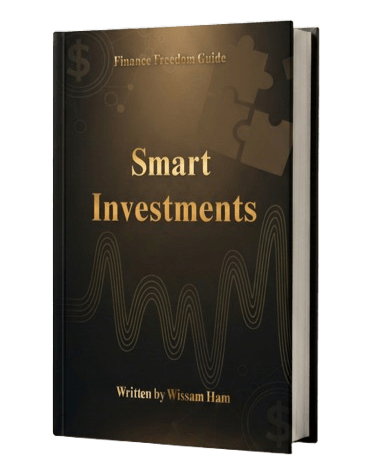
Bestseller
Navigate markets with strategic precision, balancing risk and opportunity across emerging asset classes.
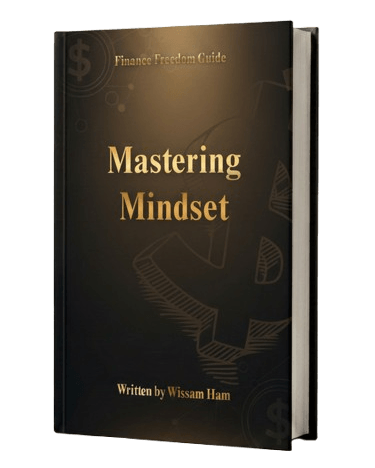
Top Rated
Cultivate the psychological architecture required for extraordinary wealth accumulation.
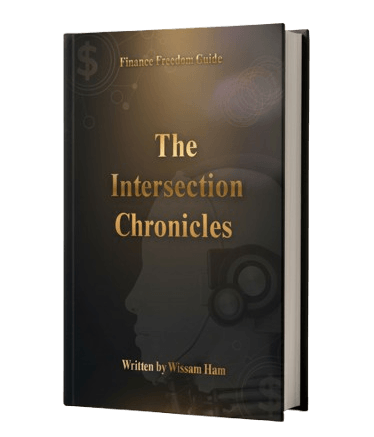
Reader's Choice
Where mindset, strategy, and technology converge to create exponential wealth in the digital age. Latest release.

We don’t just give generic tips. We diagnose your unique financial situation, build a custom action plan, and walk with you step by step via daily email. No calls, no fluff.
© 2026 Finance Freedom Guide. All rights reserved.
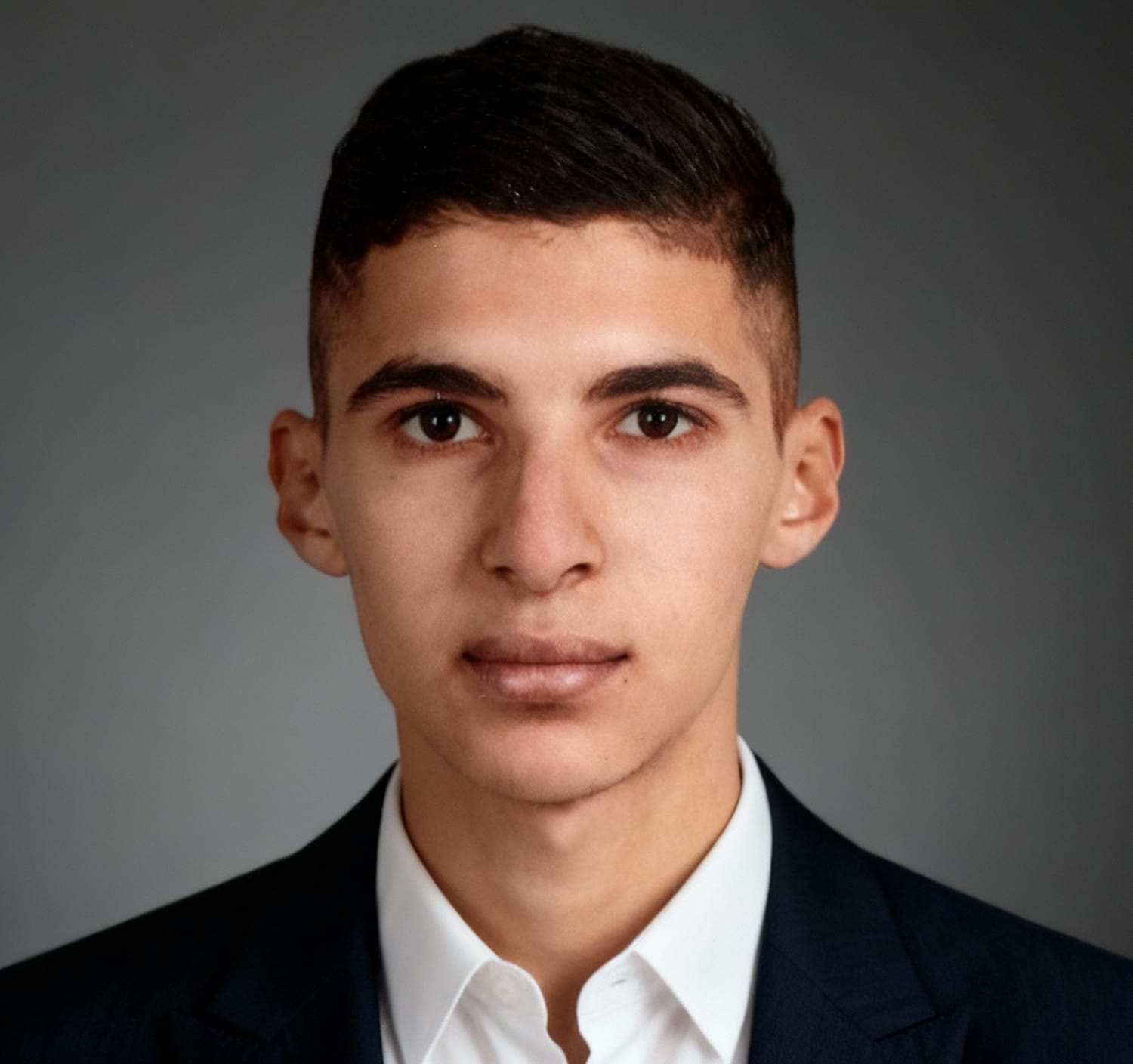
Created by Wissam Ham | Financial Education for the Digital Age