Financial Education
for the Digital Age
Finance Freedom Guide provides the comprehensive financial education missing from traditional systems. Through meticulously crafted books and actionable insights, we equip you with the mindset, strategies, and systems to build sustainable wealth in today's evolving economy.
25 Money Tips No One Teaches in School
The Great Educational Gap
School teaches people many important things.
How to memorize information.
How to pass exams.
How to follow instructions.
But for most people, school never fully explains:
how money works
how wealth is built
how financial stress happens
how debt traps people
how investing compounds
how modern wealth creation is changing
And that creates a problem.
Because after graduation, people suddenly enter a financial system they were never properly prepared for.
Many spend years learning through:
mistakes
stress
confusion
trial and error
I realized this slowly over time.
Some of the most important financial lessons were not complicated.
But they were rarely taught clearly.
Here are 25 money lessons that quietly shape financial life more than most people realize.
1. Income Alone Does Not Create Wealth
Many people believe:
“If I earn more money, my financial problems disappear.”
But higher income without financial discipline often creates:
lifestyle inflation
more spending
more debt
more pressure
Wealth is not only about earning.
It is about:
managing
keeping
investing
compounding

2. Small Financial Habits Compound
People underestimate small repeated behaviors.
Tiny daily decisions become powerful over time.
Examples:
recurring investing
reducing unnecessary spending
consistent saving
learning continuously
Compounding works financially and behaviorally.
3. Most Purchases Are Emotional
People rarely buy only logically.
Marketing often targets:
insecurity
status
fear
comparison
dopamine
Learning emotional awareness improves financial decisions dramatically.
4. Debt Can Quietly Control Your Future
Debt is not always bad.
But uncontrolled debt reduces freedom.
High-interest debt often:
limits flexibility
increases stress
delays investing
creates dependency
Financial freedom usually requires controlling debt intelligently.
5. Financial Stress Is Often Psychological
Money problems are not only mathematical.
Stress often comes from:
uncertainty
lack of systems
emotional spending
comparison
financial chaos
Improving clarity often improves financial behavior.
6. Lifestyle Inflation Traps Many High Earners
As income increases, spending often increases too.
People upgrade:
cars
apartments
subscriptions
lifestyles
without increasing long-term assets.
This creates the illusion of success without actual financial security.
7. Investing Matters More Than Saving Alone
Saving protects money.
Investing helps grow it.
Without investing, inflation slowly reduces purchasing power over time.
Long-term investing allows money to compound instead of remaining stagnant.
8. Time Is One of the Biggest Financial Advantages
Many people underestimate how valuable time becomes in investing.
Starting earlier matters enormously because compounding accelerates gradually over long periods.
Small amounts invested consistently over years can become surprisingly powerful.
9. Financial Freedom Requires Ownership
People who own:
assets
businesses
systems
investments
digital products
often gain leverage unavailable through labor alone.
Ownership changes financial dynamics completely.
10. Most People Buy Liabilities Thinking They Are Assets
Not everything expensive is an asset.
True assets usually generate:
income
appreciation
leverage
recurring value
Many purchases mainly create:
maintenance costs
debt
depreciation
Understanding the difference matters.
11. Comparison Is Financially Dangerous
Social media created constant comparison.
People compare themselves to:
luxury lifestyles
online success
curated images
unrealistic expectations
This often creates:
emotional spending
pressure
dissatisfaction
poor financial decisions
Financial peace usually improves when comparison decreases.
12. Budgeting Is About Awareness, Not Restriction
Many people hate budgeting because they associate it with limitation.
But budgeting is really about visibility.
You cannot optimize what you do not track.
Awareness creates better decisions.
13. Emergency Funds Create Psychological Stability
Unexpected events happen.
Without emergency savings, small problems can become financial disasters.
Emergency funds reduce:
panic
stress
dependency
financial fragility
Security improves decision-making.
14. Financial Education Never Truly Stops
The economy changes constantly.
Technology evolves.
Industries shift.
People who continue learning often adapt faster financially than people relying only on old knowledge.
15. Most Wealth Is Built Slowly
The internet promotes fast success stories constantly.
But sustainable wealth usually grows gradually through:
consistency
systems
investing
ownership
patience
Slow compounding often beats short-term hype.
16. Your Environment Shapes Financial Behavior
People are heavily influenced by:
family habits
social circles
online content
cultural expectations
Financial growth often requires changing environments and influences intentionally.
17. Attention Is an Economic Asset
Modern companies compete aggressively for attention.
Your attention influences:
spending
habits
focus
productivity
Protecting attention became financially important in the digital economy.
18. Financial Discipline Creates More Freedom
Many people think discipline removes freedom.
In reality, discipline often creates freedom later.
Financial discipline reduces:
chaos
debt
stress
dependency
Structure creates flexibility over time.
19. Technology Is Changing Wealth Creation
The internet created opportunities previous generations never had access to.
People now build:
digital businesses
online assets
content systems
AI workflows
scalable products
Modern wealth increasingly includes digital leverage.
20. AI Is Becoming a Financial Tool
Artificial intelligence now helps people:
analyze information
automate workflows
improve productivity
organize research
create digital systems
Companies like OpenAI accelerated this shift globally.
People who learn these tools early may gain major long-term advantages.
21. Financial Systems Beat Motivation
Motivation changes constantly.
Systems create consistency.
Examples:
automatic investing
recurring savings
scheduled budgeting
automated transfers
Systems reduce emotional decision-making.
22. Long-Term Thinking Is Rare but Powerful
Most people focus on:
immediate pleasure
short-term trends
instant results
But wealth usually rewards:
patience
delayed gratification
long-term strategy
Long-term thinking creates major advantages because few people practice it consistently.
23. Skills Often Produce Better Returns Than Possessions
Expensive possessions lose value quickly.
Skills often increase earning potential for years.
Examples:
communication
writing
technology
sales
systems thinking
AI literacy
Investing in skills often creates long-term leverage.
24. Financial Freedom Is Different for Everyone
Some people want:
flexibility
stability
travel
family security
creative freedom
Financial goals should align with personal values instead of social pressure.
25. Wealth Is Not Only About Money
Money matters.
But real wealth often also includes:
health
time
peace of mind
flexibility
meaningful work
strong relationships
Financial success without balance often creates emptiness instead of freedom.

Final Thoughts
Many of the most important financial lessons are surprisingly simple.
But simple does not mean easy.
Modern financial life is filled with:
distraction
emotional pressure
comparison
uncertainty
information overload
This is why financial intelligence matters more than ever.
Because long-term wealth usually comes less from one lucky decision and more from:
consistent habits
intelligent systems
emotional control
ownership
patience
continuous learning
And unfortunately, many people discover these lessons only after years of financial struggle.

The system is broken. Traditional academia prepares you for employment, not financial independence. It teaches compliance rather than capital allocation, memorization over monetization. The real world financial education the kind that builds generational wealth happens in the margins: through mentorship, failure, self study, and learning by doing.
We’re here to close that gap. Finance Freedom Guide transforms decades of entrepreneurial and investment experience into structured roadmaps.
Whether you’re buried in debt or ready to scale digital assets, we believe financial intelligence is a learned skill not a genetic gift.
Our Mission;
Turn knowledge, creativity, and expertise into perpetual wealth systems. No fluff, no get rich quick fantasies just proven frameworks and the mindset shift required to break free from the 9‑5.
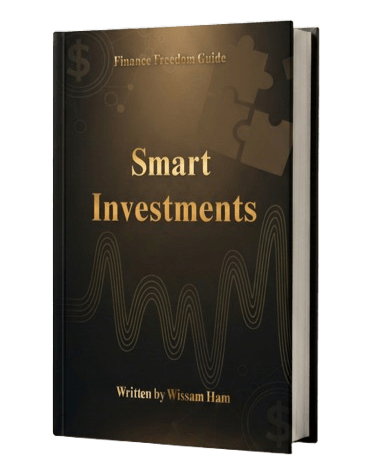
Bestseller
Navigate markets with strategic precision, balancing risk and opportunity across emerging asset classes.
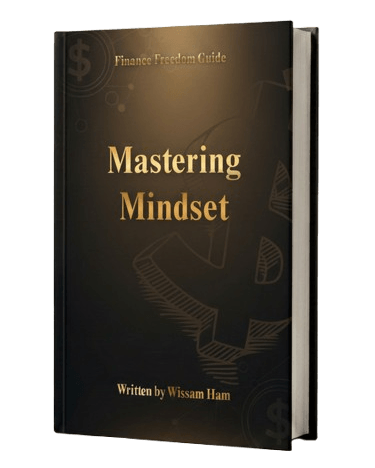
Top Rated
Cultivate the psychological architecture required for extraordinary wealth accumulation.

Reader's Choice
Where mindset, strategy, and technology converge to create exponential wealth in the digital age. Latest release.
Reader's Choice
Where mindset, strategy, and technology converge to create exponential wealth in the digital age. Latest release.
Top Rated
Cultivate the psychological architecture required for extraordinary wealth accumulation.
Bestseller
Navigate markets with strategic precision, balancing risk and opportunity across emerging asset classes.
AliExpress Deals for Freelancers
We hand pick products based on real freelancer needs.
Low Cost High Productive Setup Picked Carefully To Start Practicing our eBooks Content & Build Your Online Income Streams.













Need more than a eBook?
We don’t just give generic tips. We diagnose your unique financial situation, build a custom action plan, and walk with you step by step via daily email. No calls, no fluff.

Wissam Ham isn't just another financial expert he's a living testament to the power of mindset transformation. After climbing from financial uncertainty to creating multiple streams of passive income, he's dedicated his life to teaching others the exact principles that liberated him.
What makes Wissam different? He understands that true wealth begins between your ears. While others teach complicated investment strategies, Wissam focuses on the psychological foundation that makes those strategies actually work for you.
`The Art of Wealth Creation
Transforming financial mindsets through premium education, exclusive insights, and proven wealth building strategies.
Contact



© 2026 Finance Freedom Guide. All rights reserved.
Created by Wissam Ham | Financial Education for the Digital Age