
Financial Education
for the Digital Age
Finance Freedom Guide provides the comprehensive financial education missing from traditional systems. Through meticulously crafted books and actionable insights, we equip you with the mindset, strategies, and systems to build sustainable wealth in today's evolving economy.
Systems That Multiply Your Creativity and Income
Why Creativity Is Becoming One of the Most Valuable Financial Skills
For a long time, creativity was treated like a hobby.
Something people enjoyed on weekends.
Something “artistic.”
Something disconnected from real financial success.
But the digital world changed that completely.
Today, creativity influences:
businesses
marketing
content
technology
education
product creation
communication
online income
And one thing became very clear:
People who know how to combine creativity with systems often create opportunities much faster than people relying only on traditional work.
Because creativity is no longer just self-expression.
In the modern economy, creativity became leverage.
And when creativity is multiplied through technology, systems, and digital platforms, it can create income at a scale previous generations could barely imagine.
The New Economy Rewards Original Thinking
The internet created an enormous shift.
Information became abundant.
Anyone can access:
tutorials
courses
business knowledge
AI tools
software
technical information
Because of this, raw information alone became less valuable.
What stands out now is:
unique thinking
problem solving
storytelling
communication
creativity
originality
People no longer compete only on access to information.
They compete on how creatively they use it.

Why Creativity Creates Financial Opportunity
Creative people often notice opportunities others ignore.
They see:
new systems
different solutions
better communication methods
underserved audiences
unique product ideas
This ability becomes extremely valuable online because digital platforms reward:
attention
originality
usefulness
emotional connection
Creative thinking allows people to package ideas in ways that attract interest and build trust.
And trust creates economic value.
Creativity Is Not Just Art
One major misunderstanding is that creativity only belongs to artists.
In reality, creativity exists in:
business strategy
investing
writing
education
marketing
software
entrepreneurship
systems design
communication
A creative thinker can:
simplify complexity
explain ideas clearly
solve problems differently
build engaging systems
create useful digital products
This is why creativity increasingly influences financial success across industries.
Technology Multiplies Creative Output
In previous generations, creative work often scaled slowly.
Today, technology allows one idea to reach millions instantly.
A single:
article
video
design
tool
digital product
online system
can spread globally through the internet.
This creates leverage.
Technology allows creativity to scale beyond individual effort.
And artificial intelligence is accelerating this even further.
AI Is Changing Creative Work Rapidly
AI tools now help people:
brainstorm ideas
write faster
generate designs
automate workflows
organize research
improve productivity
Companies like OpenAI helped make advanced creative tools accessible to individuals worldwide.
Some people fear this shift.
Others use AI to amplify human creativity instead of replacing it.
The people gaining the biggest advantages are often those learning how to combine:
human originality
strategic thinking
AI-assisted systems
That combination creates powerful leverage.
Why Systems Multiply Creativity
Creativity alone is not always enough.
Without systems, creative people often struggle with:
inconsistency
unfinished ideas
lack of structure
emotional burnout
scattered focus
Systems create scalability.
Examples include:
content workflows
idea databases
publishing schedules
automation tools
digital asset systems
AI-assisted processes
When creativity operates inside strong systems, output increases dramatically.
Because systems protect momentum.
The Difference Between Consumers and Creators
Modern technology creates two very different paths.
Some people mainly consume:
entertainment
social media
trends
endless scrolling
Others create:
ideas
content
systems
products
assets
communities
The gap between creators and consumers grows larger over time.
Because creators build leverage.
Consumers mainly absorb what others create.
This is one reason creative builders often create financial opportunities faster in the digital economy.
Why Attention Became So Valuable
Modern digital economies run heavily on attention.
People who can:
communicate clearly
teach effectively
entertain intelligently
solve problems creatively
build trust
often gain enormous leverage online.
Attention creates opportunity because it can eventually lead to:
audiences
products
businesses
partnerships
systems
recurring income
But sustainable growth requires value.
Short-term attention without trust usually fades quickly.
Creative Assets Continue Working Over Time
One powerful aspect of digital creativity is that assets can compound.
A useful:
article
course
video
template
design
educational system
may continue attracting people long after creation.
This creates long-term leverage.
Instead of only trading time for money, creators build systems that continue producing value repeatedly.
This is why digital creativity increasingly connects to wealth creation.

Why Most People Never Fully Use Their Creativity
Fear blocks many people before they begin.
People fear:
judgment
failure
criticism
imperfection
starting publicly
As a result, many ideas remain unfinished forever.
But creative growth usually requires visible experimentation.
Most successful creators were not perfect initially.
They improved through repetition.
The internet rewards people willing to create consistently while learning publicly over time.
The Hidden Role of Storytelling
Storytelling became one of the most powerful modern skills.
People remember stories more than information alone.
Strong storytelling helps:
build trust
explain ideas
connect emotionally
simplify complexity
increase engagement
This matters in:
business
education
marketing
investing
leadership
content creation
People who combine creativity with storytelling often communicate ideas far more effectively than people relying only on technical knowledge.
Creativity Compounds Like Investments
Most people underestimate how creativity compounds.
Small consistent creative work builds:
skills
confidence
audiences
systems
visibility
opportunities
Over time, these elements begin reinforcing each other.
Growth feels slow initially.
But eventually, consistent creators build ecosystems around their work.
This compounding effect explains why creators who persist long term often experience exponential growth later.
How to Multiply Creativity and Income
You do not need to become famous online to benefit from creative leverage.
Start smaller.
Learn One Creative Skill
Writing, design, storytelling, video editing, or digital systems all matter.
Build Consistently
Creative momentum compounds through repetition.
Use Technology Intentionally
AI and digital tools can increase productivity dramatically.
Create Assets, Not Only Content
Focus on ownership and long-term value.
Solve Real Problems
Useful creativity creates stronger opportunities than empty attention.
Small consistent creation becomes powerful over time.

Why the Future Rewards Creative Thinkers
As automation handles repetitive tasks, human creativity becomes increasingly valuable.
Technology can reproduce information.
But originality, emotional connection, storytelling, and creative problem solving remain deeply human strengths.
The future economy may increasingly reward people who can:
think creatively
adapt quickly
communicate clearly
build systems
combine technology with human insight
Because creativity is no longer optional in many industries.
It is becoming a competitive advantage.
Final Thoughts
Creativity is no longer just artistic expression.
In the digital economy, creativity became financial leverage.
When combined with:
systems
technology
storytelling
digital platforms
consistency
creative work can scale globally and continue producing value over time.
The people building the strongest opportunities today are often not simply consuming information.
They are creating ideas, systems, and assets that multiply their creativity and income simultaneously.
Because in the modern world, one of the most valuable skills is no longer only working harder.
It is learning how to create intelligently at scale.

The system is broken. Traditional academia prepares you for employment, not financial independence. It teaches compliance rather than capital allocation, memorization over monetization. The real world financial education the kind that builds generational wealth happens in the margins: through mentorship, failure, self study, and learning by doing.
We’re here to close that gap. Finance Freedom Guide transforms decades of entrepreneurial and investment experience into structured roadmaps.
Whether you’re buried in debt or ready to scale digital assets, we believe financial intelligence is a learned skill not a genetic gift.
Our Mission;
Turn knowledge, creativity, and expertise into perpetual wealth systems. No fluff, no get rich quick fantasies just proven frameworks and the mindset shift required to break free from the 9‑5.
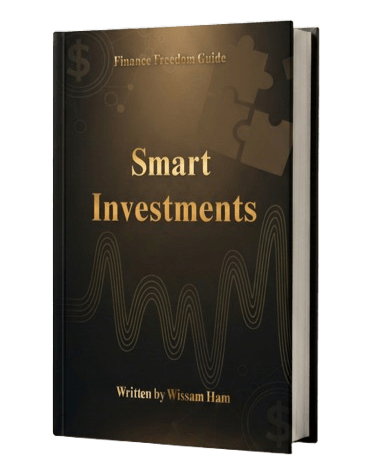
Bestseller
Navigate markets with strategic precision, balancing risk and opportunity across emerging asset classes.
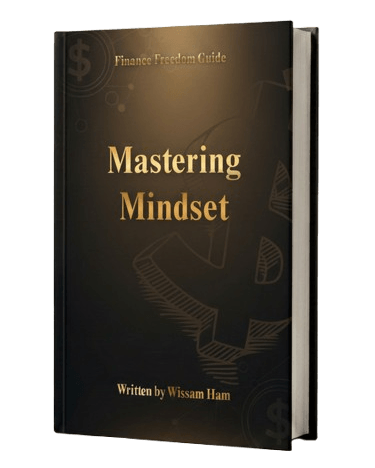
Top Rated
Cultivate the psychological architecture required for extraordinary wealth accumulation.
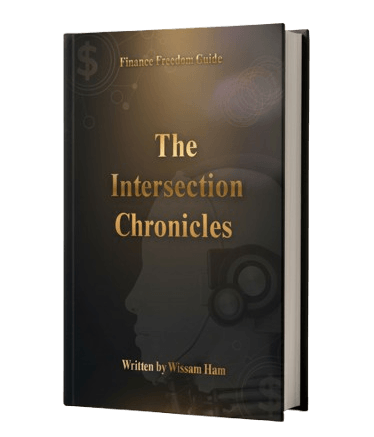
Reader's Choice
Where mindset, strategy, and technology converge to create exponential wealth in the digital age. Latest release.
Reader's Choice
Where mindset, strategy, and technology converge to create exponential wealth in the digital age. Latest release.
Top Rated
Cultivate the psychological architecture required for extraordinary wealth accumulation.
Bestseller
Navigate markets with strategic precision, balancing risk and opportunity across emerging asset classes.
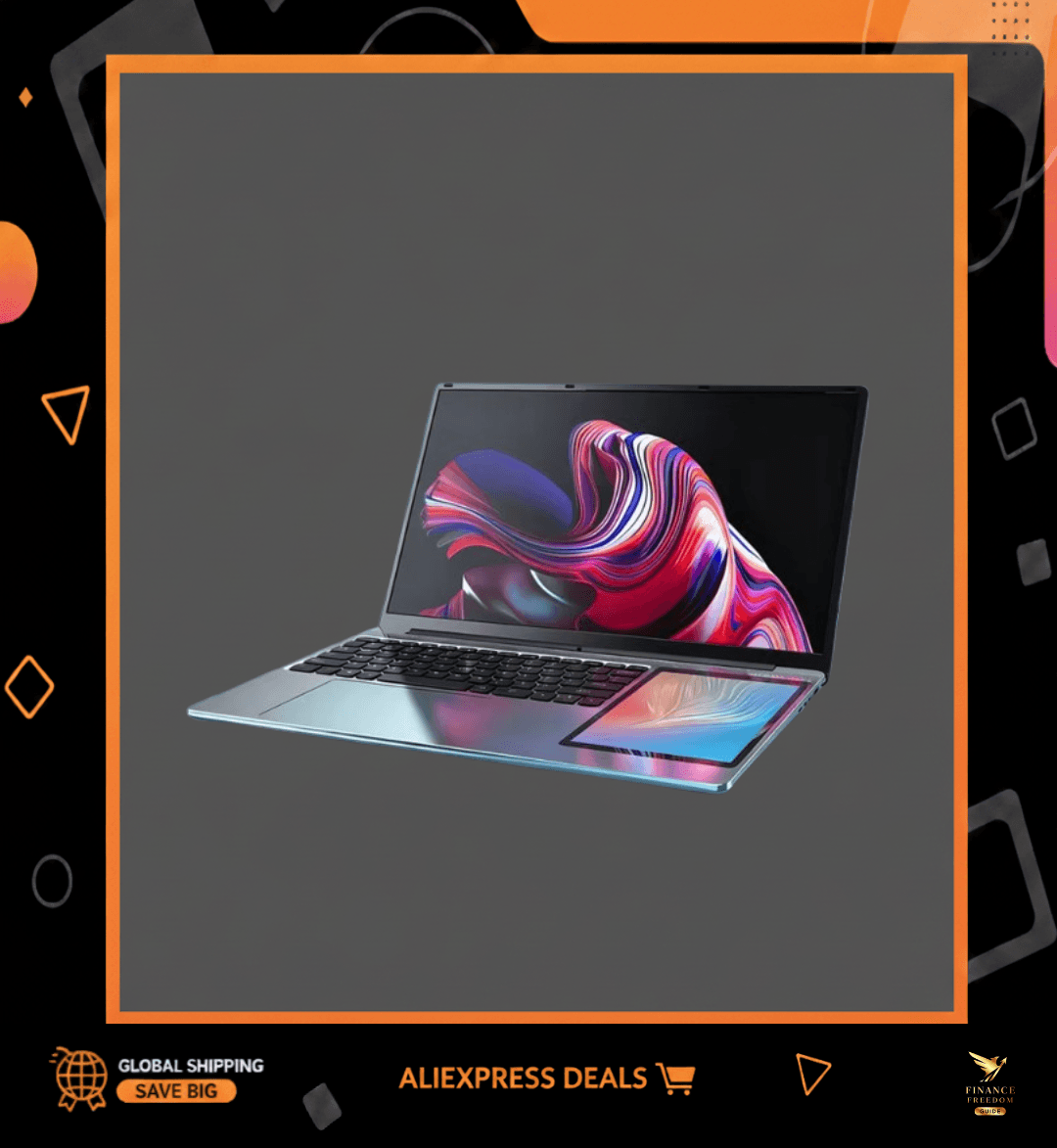
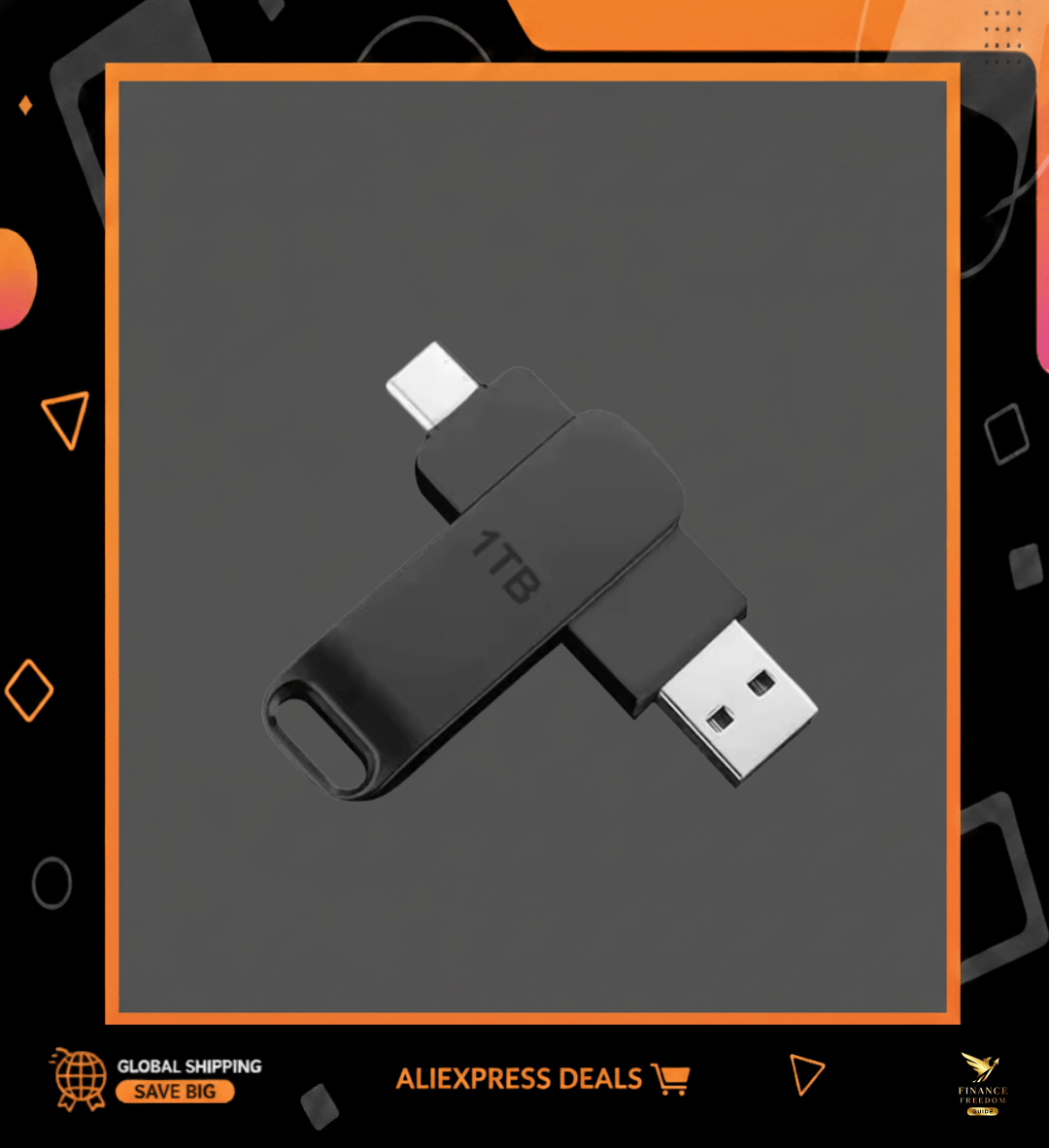
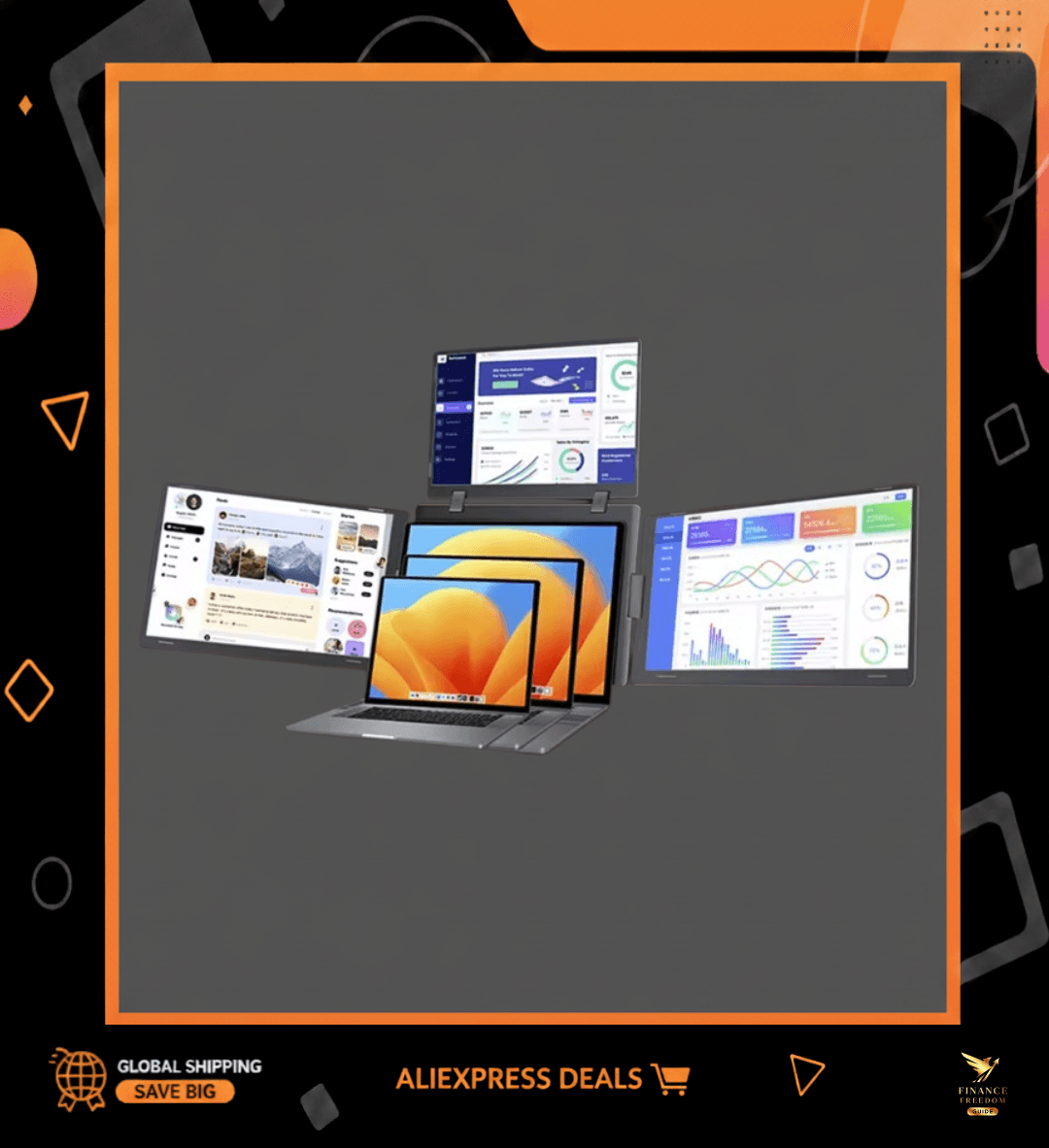
AliExpress Deals for Freelancers
We hand pick products based on real freelancer needs.
Low Cost High Productive Setup Picked Carefully To Start Practicing our eBooks Content & Build Your Online Income Streams.










Need more than a eBook?
We don’t just give generic tips. We diagnose your unique financial situation, build a custom action plan, and walk with you step by step via daily email. No calls, no fluff.

Wissam Ham isn't just another financial expert he's a living testament to the power of mindset transformation. After climbing from financial uncertainty to creating multiple streams of passive income, he's dedicated his life to teaching others the exact principles that liberated him.
What makes Wissam different? He understands that true wealth begins between your ears. While others teach complicated investment strategies, Wissam focuses on the psychological foundation that makes those strategies actually work for you.

`The Art of Wealth Creation
Transforming financial mindsets through premium education, exclusive insights, and proven wealth building strategies.
Contact



© 2026 Finance Freedom Guide. All rights reserved.
Created by Wissam Ham | Financial Education for the Digital Age