Financial Education
for the Digital Age
Finance Freedom Guide provides the comprehensive financial education missing from traditional systems. Through meticulously crafted books and actionable insights, we equip you with the mindset, strategies, and systems to build sustainable wealth in today's evolving economy.
The Rules of Wealth Most People Learn Too Late
From gatekeepers to gateways: How innovation transforms scarcity into abundance
When I was younger, I thought wealthy people simply earned more money.
That seemed like the entire difference.
Higher income.
Better opportunities.
More luck.
But over time, I noticed something confusing:
Some people earned a lot and still struggled financially.
Meanwhile, others with more modest incomes quietly built stable, growing wealth over years.
That forced me to rethink what wealth actually is.
And eventually, I realized something important:
Wealth is rarely built by income alone.
It is usually built through rules.
Not complicated secrets.
Not overnight success.
Just principles repeated consistently over long periods.
The problem is that most people learn these rules far too late after years of financial stress, emotional spending, and missed opportunities.
Rule 1: Wealth Is Built Quietly
Most people imagine wealth as visible luxury:
expensive cars
designer brands
social media lifestyles
constant consumption
But real wealth often looks much quieter.
Real wealth often looks like:
investments growing steadily
low financial stress
controlled expenses
ownership of assets
long-term thinking
financial flexibility
Many wealthy people focus more on building assets than displaying status.
Because appearances and wealth are not always the same thing.
One creates attention.
The other creates freedom.
Rule 2: Income Alone Will Not Save You
This is one of the hardest financial truths for many people to accept.
Higher income helps.
But without systems, higher income often creates:
lifestyle inflation
larger expenses
more debt
emotional spending
financial instability at a higher level
Some people increase income but never increase ownership.
As income rises, spending rises with it.
This creates the illusion of success without actual financial security.

Wealth usually requires more than earning.
It requires keeping, growing, and investing money intelligently over time.
Rule 3: Time Is More Powerful Than Intensity
Many people try to build wealth through short bursts of extreme effort.
But sustainable wealth is usually built through long-term consistency.
Small actions repeated for years become powerful because of compounding.
Rule 4: Financial Behavior Matters More Than Financial Knowledge
Many people believe financial success depends entirely on intelligence.
But financial behavior is often far more important.
People usually know basic financial principles already:
spend less than you earn
avoid unnecessary debt
invest consistently
think long term
The difficulty is emotional consistency.
Stress, comparison, fear, and impulse often damage financial decisions more than lack of information.
This is why emotionally disciplined people often build more wealth than highly informed but inconsistent people.
Rule 5: Ownership Changes Everything
Most people spend their lives consuming.
But wealth is often built through ownership.
Ownership can include:
investments
businesses
digital products
intellectual property
productive assets
Consumers constantly exchange money for temporary experiences.
Owners build systems that may continue creating value over time.
This shift from consumption toward ownership becomes one of the biggest long-term financial advantages.
Rule 6: Debt Can Either Build or Destroy Wealth
Debt itself is not always the problem.
The real issue is how debt is used.
Some debt supports:
education
business growth
productive assets
Other debt funds:
status
impulse purchases
lifestyle inflation
emotional spending
Many people become trapped financially because they use debt to maintain appearances instead of building long-term value.
Financial freedom becomes difficult when future income is constantly consumed by past decisions.
Rule 7: Most Financial Decisions Are Emotional
This realization changed the way I viewed money completely.
People often think financial problems are mathematical.
But many are emotional first.
People overspend because of:
stress
insecurity
comparison
boredom
social pressure
emotional escape
This is why financial systems matter.
Systems reduce emotional decision-making.
Automation, budgeting, investing routines, and structured habits help protect people from temporary emotions that create long-term financial consequences.
Rule 8: Lifestyle Inflation Quietly Destroys Wealth
One of the most dangerous financial traps is lifestyle inflation.
As people earn more, they often:
upgrade everything
spend more socially
increase fixed expenses
normalize luxury quickly
The problem is that expenses grow as fast as income.
This prevents wealth accumulation even at higher earning levels.
Many financially stable people avoid this trap intentionally.
Instead of increasing every lifestyle expense, they increase:
investments
ownership
savings
financial flexibility
That difference compounds massively over time.
Rule 9: Simplicity Usually Wins
Modern finance often feels overly complicated.
People chase:
advanced strategies
market predictions
endless optimization
complex financial systems
But many wealthy people follow surprisingly simple principles consistently:
spend intentionally
invest regularly
avoid emotional decisions
think long term
build assets gradually

Simple systems repeated consistently usually outperform chaotic complexity over long periods.
Rule 10: Wealth Is Really About Freedom
This may be the most important rule of all.
Money itself is not the ultimate goal.
Wealth matters because of what it creates:
freedom
flexibility
reduced stress
time control
opportunity
security
Real wealth allows people to make decisions from alignment instead of desperation.
That changes life far beyond finances.
Because financial pressure affects:
mental health
relationships
creativity
personal growth
long-term choices
Wealth is valuable because it creates breathing room.
Why Most People Learn These Rules Too Late
Modern culture teaches consumption far more aggressively than wealth building.
People constantly receive messages encouraging:
spending
comparison
instant gratification
external validation
Very few people are taught:
patience
ownership
compounding
emotional discipline
long-term financial thinking
As a result, many people spend years focused on appearing successful instead of becoming financially stable.
The Quiet Advantage of Long-Term Thinking
Long-term thinkers often behave differently.
They focus less on:
quick status
fast validation
emotional decisions
And more on:
systems
ownership
consistency
patience
skill building
This creates slower visible progress initially.
But over time, the gap becomes enormous.
Because compounding rewards people who stay disciplined long after others lose focus.
Final Thoughts
The rules of wealth are not hidden.
Most are surprisingly simple.
But simple does not mean easy.
These rules require:
patience
emotional control
long-term thinking
disciplined systems
consistency
And that is why many people struggle to follow them.
Because wealth is rarely built through dramatic moments.
It is usually built quietly through intelligent behaviors repeated consistently over many years.


The system is broken. Traditional academia prepares you for employment, not financial independence. It teaches compliance rather than capital allocation, memorization over monetization. The real world financial education the kind that builds generational wealth happens in the margins: through mentorship, failure, self study, and learning by doing.
We’re here to close that gap. Finance Freedom Guide transforms decades of entrepreneurial and investment experience into structured roadmaps.
Whether you’re buried in debt or ready to scale digital assets, we believe financial intelligence is a learned skill not a genetic gift.
Our Mission;
Turn knowledge, creativity, and expertise into perpetual wealth systems. No fluff, no get rich quick fantasies just proven frameworks and the mindset shift required to break free from the 9‑5.

Bestseller
Navigate markets with strategic precision, balancing risk and opportunity across emerging asset classes.
Top Rated
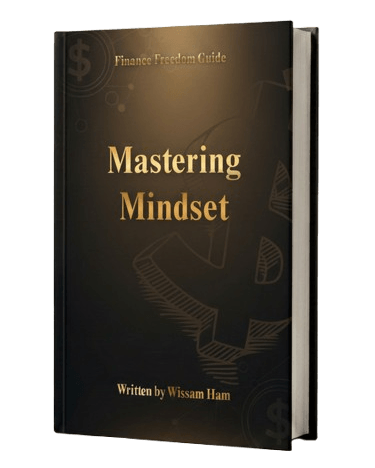
Cultivate the psychological architecture required for extraordinary wealth accumulation.

Reader's Choice
Where mindset, strategy, and technology converge to create exponential wealth in the digital age. Latest release.
Reader's Choice
Where mindset, strategy, and technology converge to create exponential wealth in the digital age. Latest release.
Top Rated
Cultivate the psychological architecture required for extraordinary wealth accumulation.
Bestseller
Navigate markets with strategic precision, balancing risk and opportunity across emerging asset classes.
AliExpress Deals for Freelancers
We hand pick products based on real freelancer needs.
Low Cost High Productive Setup Picked Carefully To Start Practicing our eBooks Content & Build Your Online Income Streams.













Need more than a eBook?
We don’t just give generic tips. We diagnose your unique financial situation, build a custom action plan, and walk with you step by step via daily email. No calls, no fluff.

Wissam Ham isn't just another financial expert he's a living testament to the power of mindset transformation. After climbing from financial uncertainty to creating multiple streams of passive income, he's dedicated his life to teaching others the exact principles that liberated him.
What makes Wissam different? He understands that true wealth begins between your ears. While others teach complicated investment strategies, Wissam focuses on the psychological foundation that makes those strategies actually work for you.
`The Art of Wealth Creation
Transforming financial mindsets through premium education, exclusive insights, and proven wealth building strategies.
Contact



© 2026 Finance Freedom Guide. All rights reserved.
Created by Wissam Ham | Financial Education for the Digital Age