Financial Education
for the Digital Age
Finance Freedom Guide provides the comprehensive financial education missing from traditional systems. Through meticulously crafted books and actionable insights, we equip you with the mindset, strategies, and systems to build sustainable wealth in today's evolving economy.
Why Saving Alone Will Never Make You Rich
The Most Dangerous Advice You've Ever Received
For years, I believed saving money was the entire solution to financial security.
Spend less.
Save more.
Repeat forever.
And honestly, saving is important.
Without savings, financial life becomes unstable very quickly.
Emergency expenses become stressful.
Unexpected problems become dangerous.
Savings create breathing room.
But eventually I realized something uncomfortable:
saving alone rarely creates real wealth.
Not because saving is useless.
But because the modern economy changed.
Inflation exists.
Asset prices rise.
Technology accelerates industries.
And money sitting still often loses power quietly over time.
That realization completely changed how I think about money.

The Problem Most People Never Notice
At first glance, saving feels safe.
You work hard.
You put money aside.
Your account balance grows slowly.
That feels responsible.
And in many ways, it is.
But there is a hidden problem:
the value of money changes over time.
Inflation slowly increases the cost of:
housing
food
transportation
healthcare
education
daily living
Which means money that stays stagnant can gradually lose purchasing power.
Financial institutions consistently explain that savings accounts offer stability and liquidity, but long-term investing historically provides greater growth potential and a stronger chance of outpacing inflation.
This is one reason many disciplined savers still struggle financially years later.
Why Saving Feels Safer Than Investing
Most people are emotionally drawn toward certainty.
Saving feels predictable.
Investing feels uncertain.
Savings accounts usually:
protect principal
remain stable
allow easy access
Investing introduces:
volatility
uncertainty
emotional discomfort
That fear keeps many people trapped in permanent saving mode.
And to be fair, some savings are absolutely necessary.
Emergency funds matter.
Short-term savings matter.
Financial stability matters.
But long-term wealth usually requires more than protection.
It requires growth.
The Hidden Cost of Playing Too Safe
One of the biggest financial risks is not always losing money.
Sometimes the biggest risk is never allowing money to grow meaningfully at all.
This becomes especially important over long periods.
Because while savings may earn modest interest, inflation can quietly reduce what that money can actually buy over time.
This creates a dangerous illusion:
people see larger account balances but weaker purchasing power.
And many never realize it until years later.
Wealth Is Usually Built Through Ownership
One realization changed my understanding of money completely:
wealthy people often own assets, not only savings accounts.
Assets can include:
businesses
investments
stocks
real estate
digital products
intellectual property
scalable systems
Ownership matters because assets can:
appreciate
generate income
compound
create leverage
Saving protects money.
Ownership helps grow it.
Why Investing Changes the Equation
Investing introduces one powerful concept:
compounding.
Compounding allows growth to build on previous growth over time.
Financial education resources consistently emphasize that compounding is one of the main reasons long-term investing can outperform simple saving strategies.
At first, compounding feels slow.
Almost invisible.
Then eventually growth accelerates because returns begin generating additional returns.
This is why time matters so much financially.
Most People Confuse Saving With Wealth Building
Saving and wealth building are not identical.
Saving focuses on:
preservation
security
liquidity
short-term stability
Wealth building focuses on:
growth
ownership
leverage
long-term appreciation
Both matter.
But they solve different financial problems.
One protects your financial foundation.
The other expands it.
Why High Income Alone Is Not Enough
Many high earners still struggle financially because they never move beyond accumulation without growth.
Some people:
earn more
save more
spend more
but never build appreciating assets.
Without investing or ownership, income alone often creates dependency on continued labor.
This becomes dangerous over time because:
careers change
industries shift
economies fluctuate
energy declines
Assets create leverage beyond direct labor.
The Psychology Behind Fear of Investing
Many people avoid investing because they associate it only with:
gambling
risky trading
financial loss
market crashes
But long-term investing and reckless speculation are not the same thing.
Disciplined investing usually focuses on:
diversification
consistency
long-term time horizons
risk management
Financial experts frequently recommend saving for short-term needs while investing for longer-term growth goals.
The problem is that fear often prevents people from learning the difference.
Why Time Is More Powerful Than Perfection
Many people delay investing because they believe they need:
more money
perfect timing
expert knowledge
certainty
But time often matters more than perfection.
Online investing discussions frequently highlight how starting earlier allows compounding to work far more effectively over decades.
Even small consistent investing over long periods can become surprisingly powerful.
The earlier compounding begins, the more leverage time creates.
Saving Still Matters — But for Different Reasons
This does not mean saving is useless.
Far from it.
Savings provide:
emergency protection
liquidity
stability
flexibility
psychological security
In fact, many financial experts recommend building emergency savings before aggressively investing.
The problem only appears when people stop there completely.
Because financial protection alone rarely creates long-term financial freedom.
Modern Wealth Creation Is Changing
The internet changed how wealth is built.
Today, people can create:
digital assets
online businesses
content ecosystems
software
scalable systems
Technology and AI accelerated this shift dramatically.
Companies like OpenAI helped make digital productivity and scalable creation tools accessible globally.
Modern wealth increasingly comes from:
leverage
systems
ownership
scalability
not only saving behavior.
Why Financial Education Matters More Than Ever
Most schools teach people how to:
work
follow systems
pass exams
But many people never fully learn:
inflation
compounding
investing
ownership
leverage
financial psychology
This creates a dangerous gap.
Because people often spend years believing financial security comes only from:
earning and saving harder.
without realizing wealth usually grows differently.
The Difference Between Scarcity Thinking and Growth Thinking
Saving alone often comes from defensive thinking:
protect
avoid loss
reduce spending
minimize risk
Wealth building requires an additional mindset:
grow
invest
create
own
compound
Both forms of thinking matter.
But long-term wealth usually requires balancing protection with intelligent growth.
Final Thoughts
Saving money is important.
It creates stability, security, and financial breathing room.
But saving alone rarely creates meaningful long-term wealth in a modern economy shaped by:
inflation
rising costs
technological change
asset appreciation
Wealth is usually built through:
ownership
investing
compounding
leverage
scalable systems
long-term thinking
The goal is not choosing between saving and investing completely.
The goal is understanding that they serve different purposes.
Saving protects your future.
Investing helps expand it.

The system is broken. Traditional academia prepares you for employment, not financial independence. It teaches compliance rather than capital allocation, memorization over monetization. The real world financial education the kind that builds generational wealth happens in the margins: through mentorship, failure, self study, and learning by doing.
We’re here to close that gap. Finance Freedom Guide transforms decades of entrepreneurial and investment experience into structured roadmaps.
Whether you’re buried in debt or ready to scale digital assets, we believe financial intelligence is a learned skill not a genetic gift.
Our Mission;
Turn knowledge, creativity, and expertise into perpetual wealth systems. No fluff, no get rich quick fantasies just proven frameworks and the mindset shift required to break free from the 9‑5.
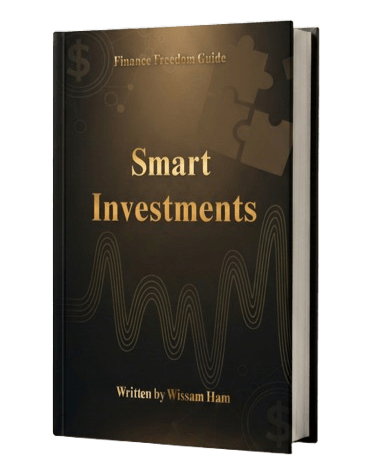
Bestseller
Navigate markets with strategic precision, balancing risk and opportunity across emerging asset classes.
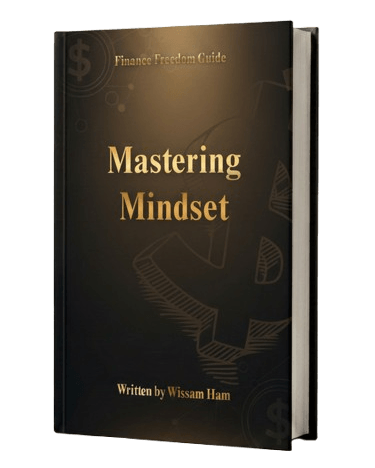
Top Rated
Cultivate the psychological architecture required for extraordinary wealth accumulation.
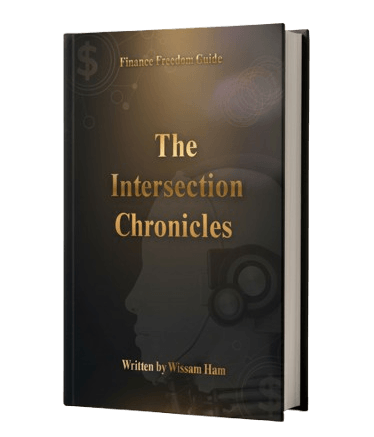
Reader's Choice
Where mindset, strategy, and technology converge to create exponential wealth in the digital age. Latest release.
Reader's Choice
Where mindset, strategy, and technology converge to create exponential wealth in the digital age. Latest release.
Top Rated
Cultivate the psychological architecture required for extraordinary wealth accumulation.
Bestseller
Navigate markets with strategic precision, balancing risk and opportunity across emerging asset classes.
AliExpress Deals for Freelancers
We hand pick products based on real freelancer needs.
Low Cost High Productive Setup Picked Carefully To Start Practicing our eBooks Content & Build Your Online Income Streams.













Need more than a eBook?
We don’t just give generic tips. We diagnose your unique financial situation, build a custom action plan, and walk with you step by step via daily email. No calls, no fluff.

Wissam Ham isn't just another financial expert he's a living testament to the power of mindset transformation. After climbing from financial uncertainty to creating multiple streams of passive income, he's dedicated his life to teaching others the exact principles that liberated him.
What makes Wissam different? He understands that true wealth begins between your ears. While others teach complicated investment strategies, Wissam focuses on the psychological foundation that makes those strategies actually work for you.
`The Art of Wealth Creation
Transforming financial mindsets through premium education, exclusive insights, and proven wealth building strategies.
Contact



© 2026 Finance Freedom Guide. All rights reserved.
Created by Wissam Ham | Financial Education for the Digital Age