
Financial Education
for the Digital Age
Finance Freedom Guide provides the comprehensive financial education missing from traditional systems. Through meticulously crafted books and actionable insights, we equip you with the mindset, strategies, and systems to build sustainable wealth in today's evolving economy.
How Compound Interest Turns Small Money Into Wealth
Understanding the mathematical miracle that transforms pennies into fortunes
For a long time, I believed wealth was only possible for people who already had a lot of money.
Whenever I read about investing or financial freedom, I thought:
“This works for rich people, not beginners.”
Because when you start with very little money, progress feels invisible.
Saving $50 feels small.
Investing $100 feels insignificant.
Building wealth seems impossibly far away.
That mindset stopped me from taking action for years.
But eventually, I realized something important:
Most wealth is not built from one giant financial move.
It is usually built from small actions repeated consistently for a very long time.
That realization completely changed the way I thought about money.
Because the true power behind wealth creation is not always large income.
It is often consistency combined with time.
And most people dramatically underestimate how powerful that combination becomes.
Why Small Money Feels Meaningless
Human psychology struggles to appreciate slow progress.
People naturally focus on immediate visible results.
That is why:
quick profits feel exciting
slow growth feels boring
instant rewards feel motivating
long-term progress feels invisible
When someone invests a small amount for the first time, they often expect dramatic changes quickly.
But wealth creation rarely works like that.
In the beginning, growth appears extremely slow.
This causes many people to quit before compounding has time to work.
The problem is not usually the strategy.
It is impatience.
The Hidden Power of Compound Growth
One of the most important financial concepts is compounding.
Compounding happens when money begins generating growth on top of previous growth.
Why Most People Never Experience Compounding
The biggest obstacle is not lack of intelligence.
It is quitting too early.
Most people stop because:
progress feels slow
results feel small
emergencies interrupt consistency
emotional spending increases
impatience takes over
Modern culture makes this even harder.
People constantly see:
luxury lifestyles
overnight success stories
extreme wealth claims
fast money content
This creates unrealistic expectations.
Real wealth building usually feels much slower and less dramatic.
But slow does not mean ineffective.

Small Investments Create More Than Money
One thing I did not expect was how small investing habits changed my mindset.
When people begin investing consistently, even with small amounts, they start thinking differently.
They become more aware of:
long-term planning
financial decisions
future opportunities
ownership
delayed gratification
Small investing habits often create psychological shifts long before major financial shifts happen.
That mindset transformation becomes powerful over time.
Because wealth building is partly financial, but also behavioral.
Why Starting Early Matters More Than Starting Big
Many people delay investing because they think:
“I’ll start once I earn more.”
But time is one of the most powerful advantages in wealth building.
The earlier compounding begins, the longer growth has to accelerate.
Even small contributions made consistently over many years can become meaningful because compounding multiplies both money and time together.
This is why waiting for the “perfect moment” often becomes expensive long term.
Perfect timing rarely exists.
Starting imperfectly is usually better than waiting indefinitely.
The Psychology of Consistency
Building wealth with small amounts requires emotional patience.
Because early progress feels slow, consistency becomes psychological before it becomes financial.
People who succeed long term often focus less on immediate rewards and more on:
maintaining habits
protecting systems
staying disciplined
reducing emotional reactions
That emotional consistency becomes a major advantage over time.
Because wealth is often built quietly while most people lose focus chasing faster results.
The Difference Between Saving and Building Wealth
Saving money matters.
But saving alone often struggles to create significant long-term growth because inflation slowly reduces purchasing power over time.
Wealth building usually requires ownership.
Examples include:
investments
businesses
digital assets
productive assets
long-term income systems
Ownership allows money to potentially grow instead of remaining static.
That is one reason investing becomes so important for long-term financial freedom.
Why Income Alone Rarely Creates Wealth
Many people assume higher income automatically creates wealth.
But income without systems often leads to:
lifestyle inflation
higher expenses
emotional spending
financial instability despite earning more
Meanwhile, some people with moderate incomes quietly build significant financial stability through:
consistency
investing
disciplined habits
long-term thinking
Income matters.
But behavior matters too.
The Importance of Automation
One of the smartest ways to build wealth slowly is automation.
Automation removes emotional resistance.
Examples:
automatic investing
automatic savings
recurring transfers
scheduled contributions
This helps maintain consistency even during stressful periods.
Because the biggest challenge is often not knowing what to do.
It is continuing to do it long enough.
Automation supports that consistency.
Why Patience Becomes a Financial Advantage
Patience is underrated financially because modern culture rewards speed.
People want:
fast profits
immediate success
instant validation
But compounding rewards patience more than excitement.
Long-term investors often benefit simply because they stay consistent while others constantly restart emotionally.
Patience allows:
investments to grow
skills to compound
opportunities to expand
systems to strengthen
Over long periods, this becomes extremely powerful.

The Quiet Reality of Wealth Building
Most real wealth building looks surprisingly ordinary.
It often looks like:
investing monthly
learning continuously
avoiding emotional spending
increasing skills gradually
building assets slowly
thinking long term
This process rarely feels exciting daily.
But over years, small disciplined behaviors create completely different financial outcomes.
How to Start Turning Small Money Into Wealth
You do not need perfect conditions to begin.
Start simple.
Build One Investing Habit
Even small recurring investments create momentum.
Learn Financial Skills Continuously
Knowledge compounds just like money.
Reduce Emotional Spending
Small spending leaks quietly destroy long-term progress.
Focus on Ownership
Think beyond consumption toward building assets.
Think in Decades, Not Days
Wealth usually grows slowly before accelerating.
Small actions become powerful through repetition.

Final Thoughts
Most people underestimate small beginnings because they focus only on immediate visible results.
But wealth creation is often a slow compounding process.
Small amounts of money invested consistently over time can create far more growth than most people imagine.
Because wealth is rarely built through one massive moment.
It is usually built through:
patience
consistency
ownership
disciplined systems
long-term thinking
And the people who eventually build financial freedom are often not the ones who started with the most money.
They are the ones who stayed consistent long enough for compounding to work.

The system is broken. Traditional academia prepares you for employment, not financial independence. It teaches compliance rather than capital allocation, memorization over monetization. The real world financial education the kind that builds generational wealth happens in the margins: through mentorship, failure, self study, and learning by doing.
We’re here to close that gap. Finance Freedom Guide transforms decades of entrepreneurial and investment experience into structured roadmaps.
Whether you’re buried in debt or ready to scale digital assets, we believe financial intelligence is a learned skill not a genetic gift.
Our Mission;
Turn knowledge, creativity, and expertise into perpetual wealth systems. No fluff, no get rich quick fantasies just proven frameworks and the mindset shift required to break free from the 9‑5.
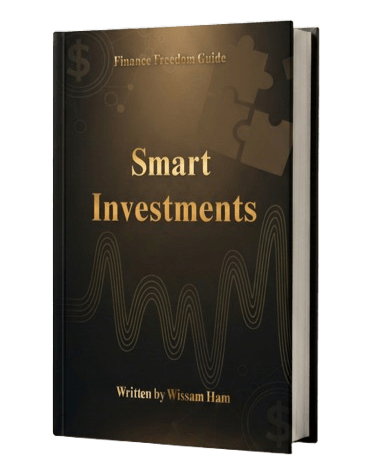
Bestseller
Navigate markets with strategic precision, balancing risk and opportunity across emerging asset classes.
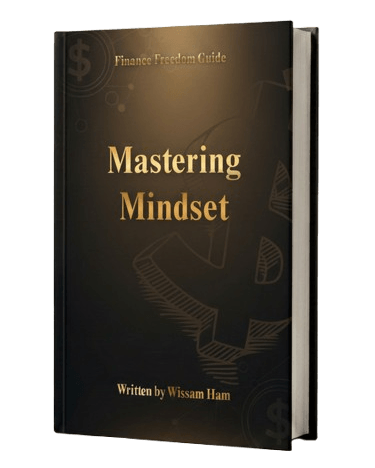
Top Rated
Cultivate the psychological architecture required for extraordinary wealth accumulation.

Reader's Choice
Where mindset, strategy, and technology converge to create exponential wealth in the digital age. Latest release.
Reader's Choice
Where mindset, strategy, and technology converge to create exponential wealth in the digital age. Latest release.
Top Rated
Cultivate the psychological architecture required for extraordinary wealth accumulation.
Bestseller
Navigate markets with strategic precision, balancing risk and opportunity across emerging asset classes.
AliExpress Deals for Freelancers
We hand pick products based on real freelancer needs.
Low Cost High Productive Setup Picked Carefully To Start Practicing our eBooks Content & Build Your Online Income Streams.













Need more than a eBook?
We don’t just give generic tips. We diagnose your unique financial situation, build a custom action plan, and walk with you step by step via daily email. No calls, no fluff.

Wissam Ham isn't just another financial expert he's a living testament to the power of mindset transformation. After climbing from financial uncertainty to creating multiple streams of passive income, he's dedicated his life to teaching others the exact principles that liberated him.
What makes Wissam different? He understands that true wealth begins between your ears. While others teach complicated investment strategies, Wissam focuses on the psychological foundation that makes those strategies actually work for you.

`The Art of Wealth Creation
Transforming financial mindsets through premium education, exclusive insights, and proven wealth building strategies.
Contact



© 2026 Finance Freedom Guide. All rights reserved.
Created by Wissam Ham | Financial Education for the Digital Age